The system is processing. Please wait a moment!






Common LED Screen Problems and How to Fix Them
During the use of LED screens, unexpected problems are unavoidable. A malfunctioning LED screen can affect the effectiveness of the event. Therefore, when detecting any abnormalities, check and find solutions immediately to minimize potential risks during the event.
1. LED bulbs have dead pixels or display incorrect colors.
- Problem : One or more LEDs on the LED modules are not lighting up or are not lighting up in the correct color. This problem may be due to a faulty LED, a low-quality LED, impact damage, poor solder joints on the four LED pins, or the LED reaching the end of its lifespan.
.jpg "The LED screen has dead pixels.")
- Troubleshooting : The best testing method is to sequentially display the LEDs in red, green, and blue. Then, mark the dead pixels with an eraser or colored pen. Remove the module from the screen and replace the LED using a soldering/heat gun. Note that the LED should be oriented correctly before soldering.
2. The LED screen has lost its signal.
- Symptom: The signal is suddenly lost while in normal use, or intermittently lost. This is due to unstable power supply to the screen and processor.
- Solution: The power supply needs to be checked and replaced to avoid short circuits or screen damage.
.jpg "The phenomenon of LED screens losing signal.")
3. LED screen flickering, image not smooth.
- Problem : The projected image is choppy and laggy due to a weak computer configuration displaying high-resolution images and videos with large frame rates (>30fps) using demanding software such as Vmix, Resolume Area, etc.
- How to fix it : Use a high-performance computer for the presentation: i5, i7, 8GB or more of RAM, and a dedicated graphics card. Additionally, you can use software to lower the video resolution or reduce the frame rate.
4. The LED screen flickers in one area, sometimes working and sometimes not.
- Problem: During a presentation, a certain area of the screen flickers, sometimes working and sometimes not. This significantly impacts the success of the program. This is mostly due to a faulty network cable connecting to the receiving card and the failure to run a backup cable for the main screen.
- Solution : When this happens, replace the network cable. However, replacing the cable while a program is running is difficult. Therefore, the best solution is to add backup cables to all monitors. This will ensure that the monitor always has a backup signal in case one network cable fails, and the monitor will still function properly.
5. The LED module displays stripes or patches of different colors.
- Phenomenon: Stripes appear on the LED screen.
On the module, or in a specific square area, the color may be faded or different from the rest. Most of these errors are due to a faulty LED module control IC or color IC.
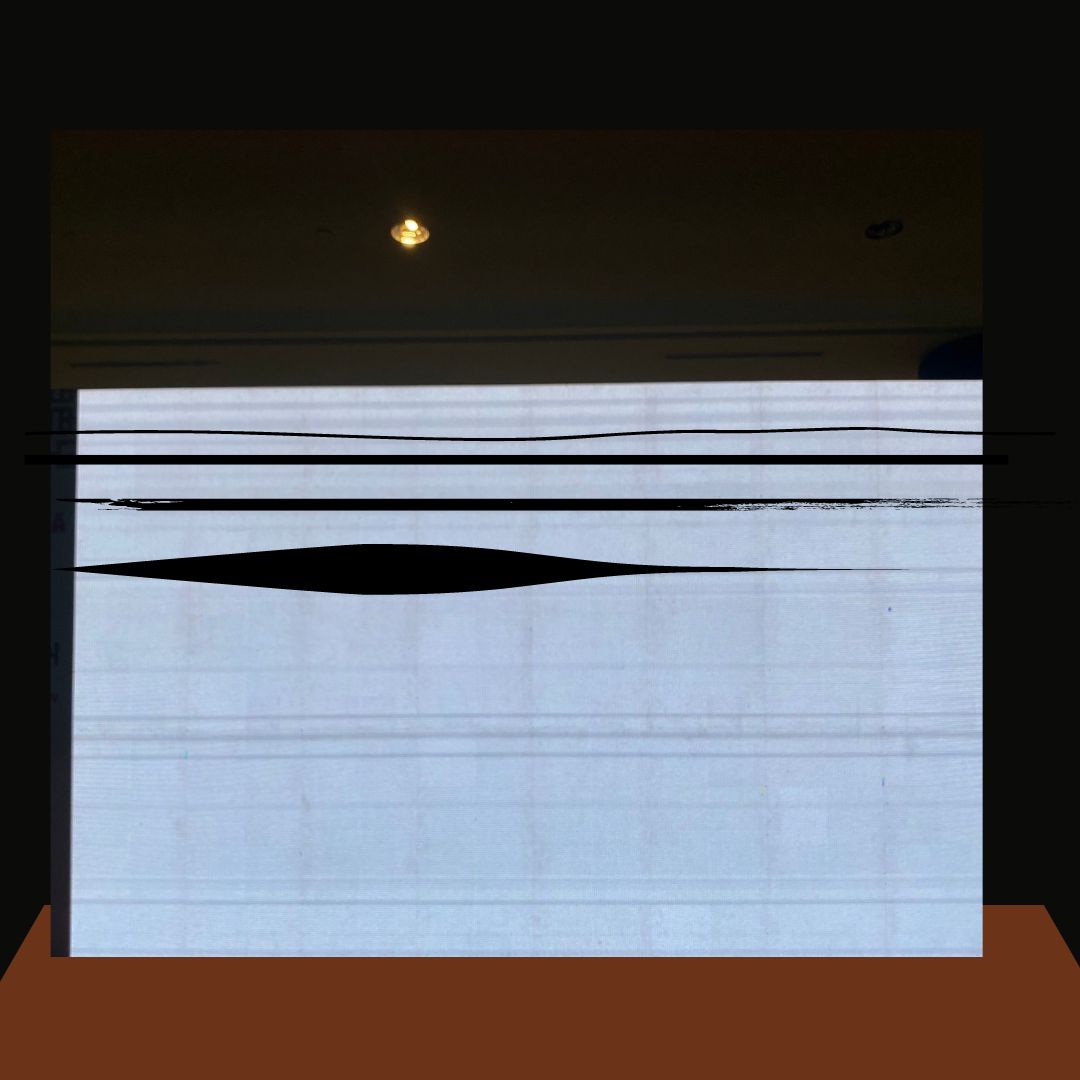
- Troubleshooting : Remove the module from the LED screen, unscrew the front panel screws to separate the plastic frame and the LED panel. Locate the faulty IC and replace it.
6. LED Screen Display Error: Incorrect Display Compared to Computer Screen
- Phenomena:
- If the display is not in the correct top-bottom or left-right order, it's because the network cable is plugged in upside down.
- The screen aspect ratio is incorrect due to wrong screen settings.
- Solution : Reconnect the network cable and reset the monitor settings to the correct resolution.
7. LED Screen Color Imbalance Error
- Symptom: The LED screen displays inconsistent colors. This is especially noticeable when testing the R, G, B colors and white. This is due to the use of LED modules from different batches, different time periods, or poor module quality.
- Solution : Recalibration is needed. This is a complex operation and requires advanced equipment such as a camera and specialized software.
8. A section of the screen currently in use is missing.
- Symptom: The screen loses some color, an entire area, or a whole section has a different color. This is caused by a loose or damaged 16-wire flat cable connecting to the receiving card, resulting in color loss or image distortion in some areas of the screen. Another cause is a damaged receiving card, a loose network cable, or a problem with the power supply to the receiving card, causing color loss or distortion in an entire area of the screen.
.jpg "The LED screen is malfunctioning.")
- How to fix it:
- If you notice color loss or image distortion in some areas of the screen, reconnect the cable to the module and the receiver card, or between the modules themselves. If this doesn't resolve the issue, replace the cable with a new one.
- If the screen loses color or displays incorrect colors across a whole area, reconnect the network cable or check if the power supply to the receiving card is still illuminated (green light). If not, you should replace the power supply. If the light is on but the screen doesn't turn on, replace the receiving card. However, replacing the card requires experience and expertise in LED screens. When replacing it, you must use the correct type and configuration and install it carefully for the screen to function as before.
9. No sound coming from the speakers.
Symptom: You plug the audio cable into your laptop or PC, but there is no sound coming from the speakers because the default audio output source has not been selected on your computer.
How to fix it:
Step 1: On your laptop, select Settings.
Step 2: Find Sound and select Sound Setting. Then, select the devices in that box until you hear a sound.
For customers in Ho Chi Minh City needing to rent high-quality, reliable, and affordable LED screens and event equipment, please contact HSV Media using the information below:
- Address: 184/20 Le Dinh Can Street, Tan Tao Ward, Binh Tan District, Ho Chi Minh City
- Hotline: 0978.672.682
- Website: hsvmedia.vn