The system is processing. Please wait a moment!





Comparing LED and LCD Screens
WHAT IS AN LCD SCREEN?
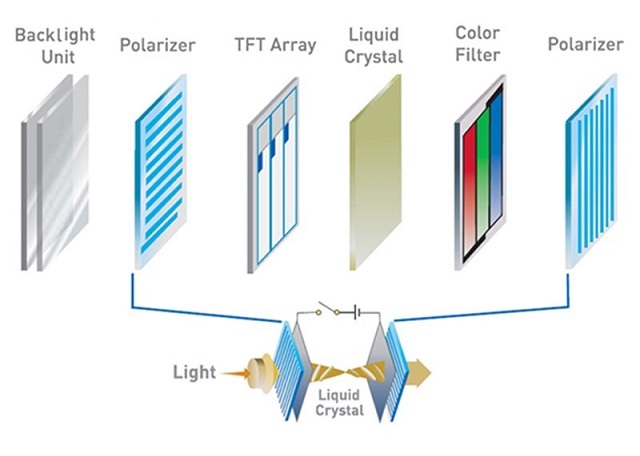
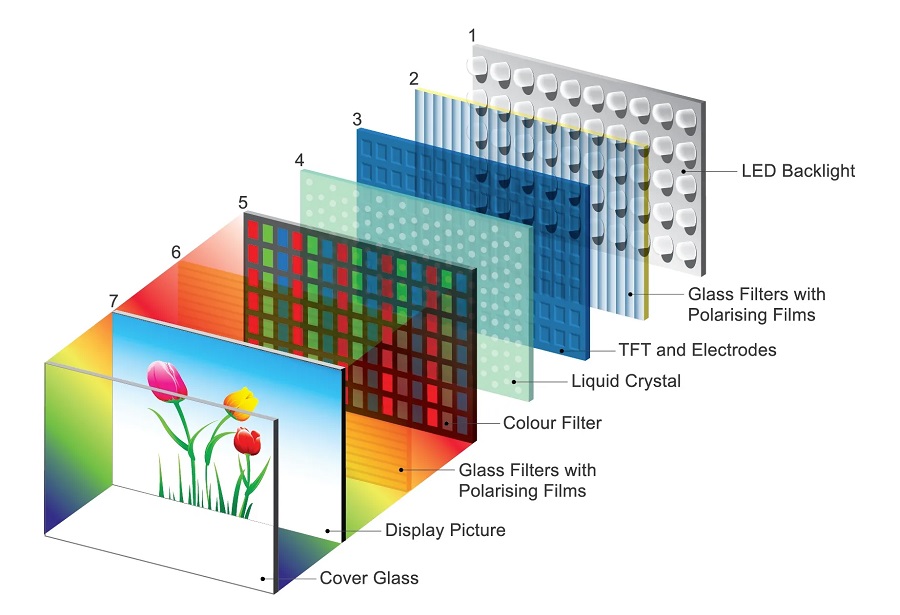
LCD screens, also known as liquid crystal displays, are composed of pixels containing liquid crystals that can change the polarization of light and the intensity of light transmitted through them when combined with polarizing filters. In simpler terms, LCD technology uses backlighting to produce light; it is not self-illuminating.
LCD advertising displays have a uniformly distributed color gamut, and liquid crystal elements that can block or allow light to pass through. This type of display has a light source behind the liquid crystal elements; when these elements are illuminated, it makes the image sharper.
WHAT IS AN LED DISPLAY?
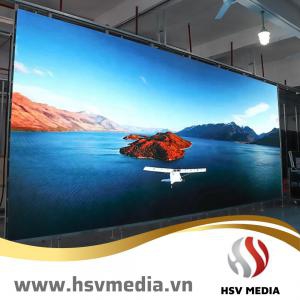
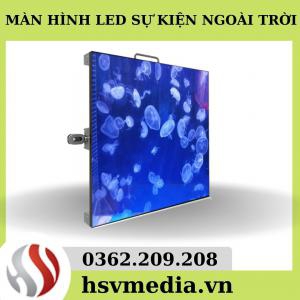
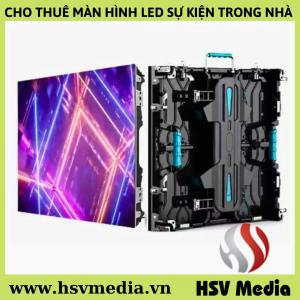
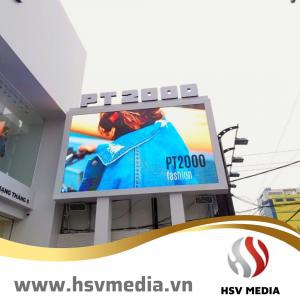
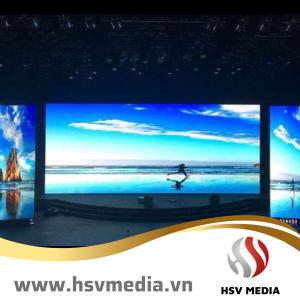
LED displays are a type of flat-panel display that uses light-emitting diode (LED) technology to project images and do not require backlighting. These diodes are linked together to form a larger screen . In LED displays, the color space model is RGB, representing red, green, and blue. The combination of these three colors allows you to create millions of colors, including white.
LED screens function similarly to TVs and projectors, but with the advantage of not being limited in size or resolution. We can choose the size according to our actual needs.
DIFFERENCES BETWEEN LED AND LCD DISPLAYS
1. Contrast
LED screens offer better contrast than LCD screens during projection. Because LCD screens use liquid crystals, they cannot cover 100% of the backlight, resulting in a black screen that isn't completely black. In contrast, LED screens display black very well because they don't have a backlight.
2. Display colors
With single-color LED technology, there wasn't a huge difference between LED and LCD screens. However, with today's technological advancements, LED screens now use the new RGB three-color technology, resulting in more diverse, realistic, and sharper colors than ever before. This is also a major advantage of LED screens when compared to LCD screens.
3. Perspective
Although LCD screens are constantly evolving and improving in viewing angles, overall they haven't offered much improvement over LED screens. Currently, LED displays have upgraded their viewing angles to 150 ° , while LCD screens are still limited to 100 ° .
4. Screen lifespan
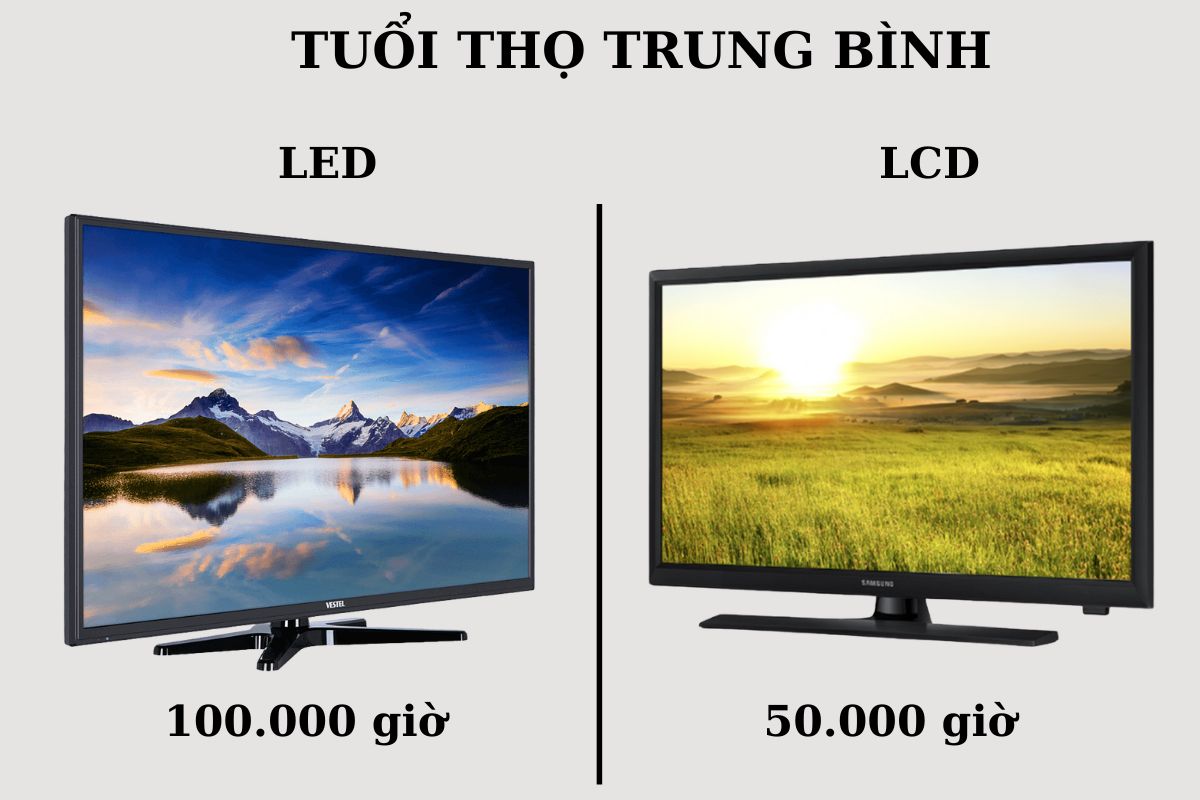
Currently, LED screens have a relatively long lifespan of up to 100,000 hours. However, after prolonged use, the screens are prone to light leakage, which reduces image quality.
As for the lifespan of an LCD screen, it only lasts about 50,000 hours.
5. Power consumption
Power consumption is one of the most important considerations. Calculations show that LED screens consume 40 % less power than LCD screens.
6. Brightness
The brightness of LED display panels ranges from hundreds to thousands, much higher than that of LCD screens. Even in direct sunlight, LED screens can display clear images, while LCD screens are easily affected by ambient light.
7. Size and price
- Size: LED screens can come in any size depending on the intended use. Furthermore, LED screens can be creatively designed in many different forms to meet various display requirements, whereas LCD screens are typically only available in standard sizes set by the manufacturer.
- Price: Currently, LED screens are more expensive than LCD screens on the market, mainly due to the quality and resolution of each type of screen.
SHOULD YOU CHOOSE AN LED SCREEN OR AN LCD SCREEN?
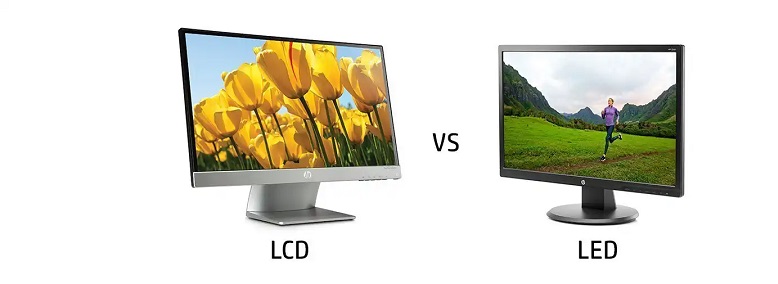
Each type has its own advantages and disadvantages. Therefore, choose the right monitor based on your needs and usage requirements.
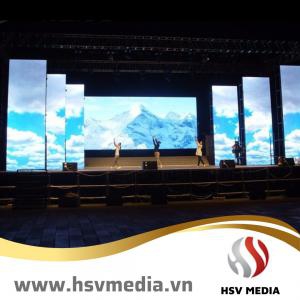
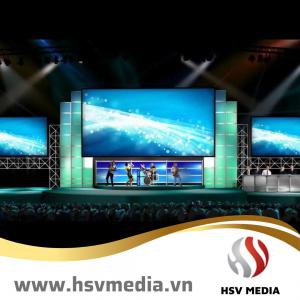
However, if you intend to use the screen for events, indoor or outdoor advertising, etc., HSV Media recommends choosing an LED screen due to the following outstanding features:
- Long lifespan: Although the brightness of LED screens will gradually decrease over time, it doesn't turn off completely. Furthermore, they can be easily replaced, thus extending their lifespan.
- Reduced energy costs, resulting in electricity savings : Because LED display technology is simpler, LEDs consume less power than LCDs, thus helping businesses that require continuous display to save significantly on electricity costs.
- Safe to use : LED bulbs do not contain mercury or other toxic chemicals, ensuring health safety during use. Furthermore, LED screens do not emit ultraviolet rays and have a measured UV index of 0, ensuring absolute safety during use.
- Flexibility : LED bulbs are more durable, less prone to breakage, withstand strong impacts, and can be used flexibly, making them suitable for the hot and humid climate in our country.
Contact HSV Media via Hotline: 0978.672.682 for affordable, reliable, and high-quality LED screen rental services and consultation.