The system is processing. Please wait a moment!




- Home Tiêu Điểm Ngành Sân Khấu - Sự Kiện Kinh Nghiệm Tổ Chức Sự Kiện Event Management & Organization (Part 2)


Event Management & Organization (Part 2)
In Part 1, HSV Media discussed how to plan and prepare for an event. In this part, we will share what needs to be done during and after the event. Please continue reading.HSV MediaRead the article below to learn more tips for organizing and managing events effectively!
24 HOURS BEFORE THE EVENT
1. Always stay calm.
The day before an event is a crucial time to remain calm and review any issues to ensure everything is fully prepared and there are no shortcomings. Furthermore, the calmer you are, the calmer your team members will be, leading to greater productivity.
For important events, you must anticipate potential problems and remain calm to know how to handle them. However, you shouldn't overthink things, as this can create stress; relax, and your efforts will be rewarded.

2. Double-check everything.
Even though you've prepared everything meticulously, it's best for you and your team to double-check everything before the event. Most importantly, you must pay attention to each team member to see if they are truly suitable for the tasks you've assigned them. Are they satisfied with their work? If not, talk to them and find solutions to address any issues promptly. A united, enthusiastic, and professional team will help your event run smoothly and successfully.
3. Check all invitations and confirm the number of guests attending.
For most events, the number of people responding to an invitation won't necessarily reflect the actual number of attendees. For example, 50 people might notify you that they will attend, but ultimately, only 10, 20, or even 100 or 200 people will show up. Therefore, knowing the number of attendees is crucial to anticipate this possibility and plan accordingly.
You should choose appropriate methods to invite guests to your event. With a well-informed invitation card, a polite phone call, or a text message, you can absolutely make sure your guests remember your event.
.jpg "Record and compile statistics on the number and information of guests.")
4. Recheck the event venue.
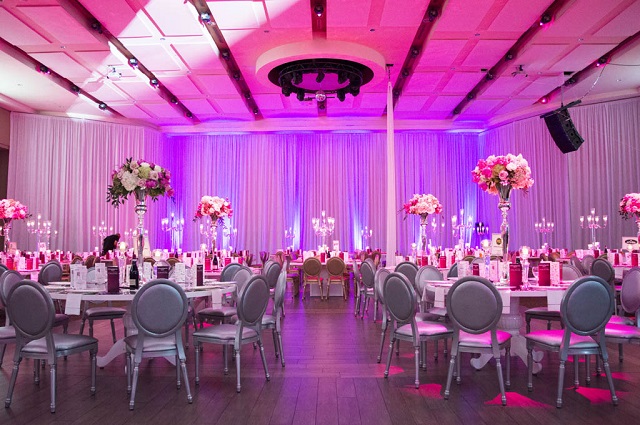
You should visit the event venue to check if the area is clean and arranged according to plan. Are all the equipment working properly? It's best to double-check everything. Verify the number of people involved in the program. This allows you to ask someone you trust to help with urgent tasks, customer service, or any unforeseen issues that may arise.
5. Prepare the necessary items for the event.
Essential items for the event include: water bottles, pastries, sticky notes, pens, notebooks, etc. In addition, a souvenir gift will help you get the attention of your customers. Your thoughtful preparation will make customers feel valued and will leave a good impression of your event.
6. Make a to-do list.
The list of information and tasks to be done should be organized chronologically and divided into specific areas. Having a detailed plan for key activities in each department will be incredibly helpful for you and everyone throughout the event. The presenter can have a list of speaker locations and know where they are seated and when they will speak. Your colleagues can have lists of equipment, program timelines, etc. Clearly divided and planned tasks will help ensure the event runs as smoothly as possible.

7. Prepare a detailed list of the equipment and tools you need to bring to the venue.
It would be terrible if everything was ready, the guests were already at the event, and you realized you'd forgotten to bring cups, napkins, etc. As a result, your event would look unprofessional and lose points in the eyes of your guests. Make sure you check everything thoroughly. If you have a lot of tasks to organize, you should assign specific responsibilities to each person. Assigning tasks to each individual will help the event planning and setup process run more smoothly and efficiently, ensuring the quality of the event.
MANAGEMENT ON THE DAY OF THE EVENT
1. Arrive early before the event begins.
Before the event begins, you should check that all aspects are in order: whether the staff are present and whether all necessary equipment is working properly. Are there any potential issues? Once everything is ready, the only thing you can do is wait for the event to proceed as planned.
Make sure that all members of the organizing committee have their own distinguishing features (uniforms, badges, etc.). This will help you easily manage personnel and ensure that clients do not encounter difficulties when they need assistance from the organizing committee.

2. Ensure all tasks are properly organized, both inside and outside the building.
An advertisement on the door, information posted on the doors along the corridors. You must ensure that your customers don't have to wander around searching for the venue without any specific directions.
Welcome banners and information displayed at the front of the event venue are especially helpful in allowing your customers to quickly identify the location of the event they are attending and ensure they are in the right place.
Welcoming guests: Customers appreciate it when their arrival is welcomed, all their questions are answered, and they receive attentive assistance.
3. Each member must clearly understand their duties and responsibilities.
If the event encounters problems that delay other activities, such as the MC or singer arriving late, or equipment malfunctions, you should inform the guests about the schedule change. Very few events can run smoothly and according to plan, so you must handle things skillfully to reassure guests and ensure they continue to happily attend the event.

4. A photographer is needed.
You should arrange for a photographer to capture the highlight and meaningful moments of the event, as it will only happen once. Let a professional handle this for you and provide them with all the information and suggestions about the types of images you want to be captured.

5. Divide the workload after the event ends.
After the event concludes, you and your team should check to ensure no one has left behind any valuable personal belongings. Inspect the equipment and tools; if anything is found to be damaged, contact the venue for repairs.
6. Attention should be paid to the post-event process.
After the event ends, there will be tasks you need to complete, such as:
- A big thank you to all the team members, sponsors, and volunteers because the event wouldn't have been a success without your help.
- Additionally, you should also thank your partners, sponsors, and guests who attended. This will help you make a good impression on your clients.
- Give souvenirs or other promotional items to your guests. These gifts will help make a stronger impression on them and enhance their enjoyment of your event.
- Post event photos on your website, social media, etc. This way, you will help promote your event effectively, increasing the credibility and professionalism of your individual, organization, or business.
7. Post-event evaluation
After each event, you need to evaluate the results based on the event's progress and learn from it, as this is crucial for improving future events. Analyze and understand feedback from guests or colleagues, then work together to find better solutions.
Hopefully, through the two parts on event organization and management that HSV Media has shared, you will gain more useful information and knowledge related to the event industry. Through this, you will know how to operate and organize programs effectively and bring the most successful events to your own business.
HSV Media – A Reputable Event Equipment Rental and Event Organization Company in Ho Chi Minh City
Hotline:0978.672.682
government: https://hsvmedia.vn/