The system is processing. Please wait a moment!




- Home SHARING EXPERIENCES EVENT ORGANIZATION Common Risks When Organizing Events




Common Risks When Organizing Events
WHAT ARE THE RISKS IN ORGANIZING AN EVENT?
Event risks are understood as unforeseen situations that occur outside of the planned event. These situations directly affect the activities and effectiveness of the program. Typically, event risks can stem from human factors, event equipment, or weather. Without timely intervention, these risks can disrupt the event, or even lead to its cancellation and rescheduling. Therefore, anticipating risks and developing contingency plans is crucial for a successful event.

COMMON RISKS WHEN ORGANIZING AN EVENT
1. Technical risks of event equipment
You're probably not surprised to encounter situations at events like audio interference, screeching, or jarring noises, or lights going out, microphone malfunctions, or projection screens breaking down. These are the most common problems at events. While most of these situations won't seriously affect the program's effectiveness, they can still annoy guests who have to wait and easily disrupt the audience's enjoyment.
2. Event equipment safety risks
Safety is always a major concern in event organization, as it directly impacts the program. Safety risks related to event equipment often stem from sound systems, lighting, LED screens, power supplies, and stages. When organizing outdoor events, these risks are particularly difficult to mitigate. There have been numerous cases of stage collapse, electrical short circuits, and power supply explosions due to overload. In such situations, a lack of timely intervention can be extremely dangerous.
3. Event security risks
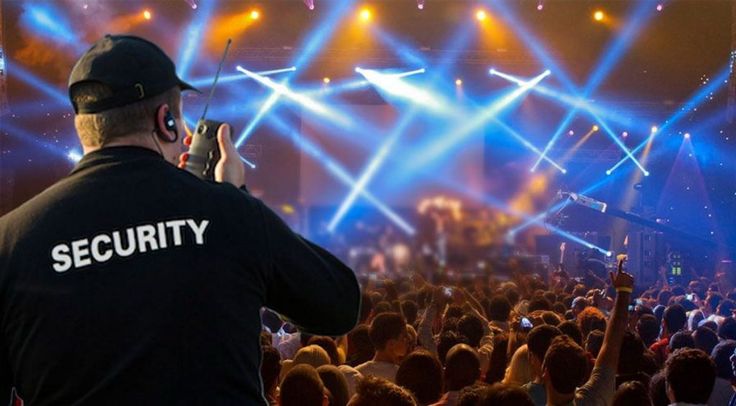
Events are places where large crowds gather, making clashes and disorderly conduct very likely. This is especially true at large events, such as concerts and dance performances, where inadequate security can lead to problems like theft, the arrival of uninvited guests, and internal conflicts. Therefore, if event security is not ensured, the event can easily become chaotic and out of control.
4. Risks associated with events involving many children.
Children are very active and love to run and jump around. Therefore, it's easy for children to get lost at events. Evidence of this is the frequent announcements about missing children at events. Furthermore, children often play around in areas where event equipment is located, and accidents can easily happen. Therefore, events with many children should have contingency plans such as:
- Build a loudspeaker system.
- Remind parents to supervise their children carefully.
- Lock up power sources and keep children away from event equipment.
- Build a playground for young children.
5. Weather-related risks
Weather affects both indoor and outdoor events. For outdoor events, weather conditions directly impact the event. Whether it's rain or scorching sun, harsh weather can pose risks such as collapses, fires, and explosions.
6. Fire and explosion risks from stage effects
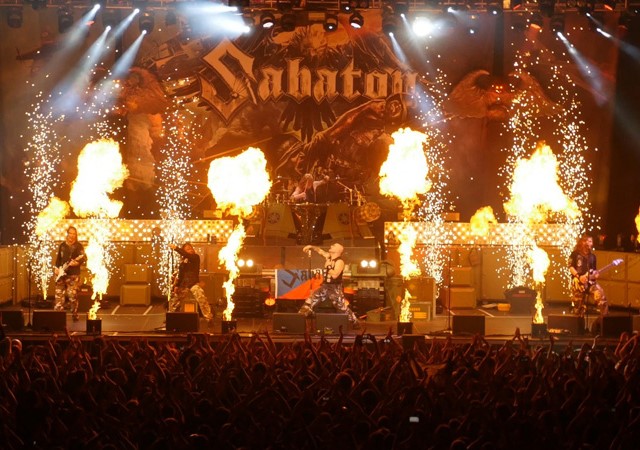
To add to the spectacle, events often incorporate effects such as smoke, fire, and fireworks. These effects create a lively atmosphere and excite viewers. However, these effects can be dangerous. Accidents involving burns from heat and cold frequently occur at these events.
HOW TO HANDLE RISKS WHEN ORGANIZING AN EVENT
To effectively manage risks, the most important thing is to have a contingency plan in place to address incidents before the event takes place. Here are some effective risk management methods:
- Prepare generators and backup chargers, and quickly switch power sources to the generators in case of a power outage.
- Always use genuine products and equipment from reputable brands and thoroughly check them before organizing the event to minimize the possibility of technical errors.
- The technical team must constantly monitor the event to promptly handle any adverse situations that may arise.
- For outdoor events, it's advisable to prepare umbrellas or parasols to protect against intense sun or heavy rain.
- It's necessary to plan small activities such as singing and games to extend the time when guests arrive late or when the event is interrupted.
- Fire extinguishers should be placed around the event venue to prevent fires. In the event of a fire, turn off all power sources and evacuate everyone immediately.

Whether large or small, events can always encounter unforeseen incidents. Without timely corrective measures, these can easily lead to undesirable consequences, affecting the event's effectiveness and, more seriously, endangering attendees.
With the desire to create successful events, we hope that through this article, you will learn more about event organization and overcome potential risks during the event. Contact our hotline: 0978.672.682 for the most suitable advice. Thank you!