The system is processing. Please wait a moment!




- Home Tiêu Điểm Ngành Sân Khấu - Sự Kiện Kinh Nghiệm Tổ Chức Sự Kiện Event Management & Organization (Part 1)


Event Management & Organization (Part 1)
Event organization is a challenging task and cannot be successful if the preparation and organization are done carelessly and unprofessionally. Therefore, to organize a successful event, you must go through a long preparation process from planning, construction, installation, operation, to the event's conclusion. The article below...HSV MediaThis will provide you with the most detailed and clear practical guide to event organization and management. Let's explore this article together with HSV Media!
PLAN 1 MONTH BEFORE THE EVENT
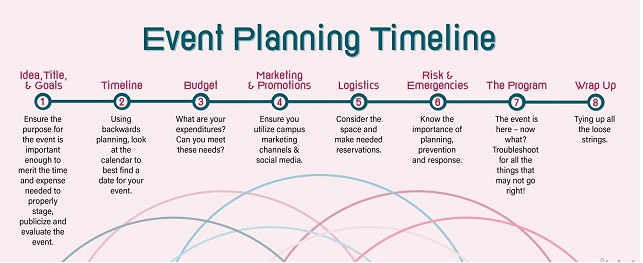
1. Determine the purpose of the event.
Before planning an event, you first need to clearly define its purpose. Defining the purpose will help you manage the tasks you are doing more effectively and accurately.
Consider asking yourself questions as essential. It's core to success when you want to organize an event, and of course, everything will be easier when you know exactly what you want and what you're going to do.
2. Setting goals
What are your goals for the event? More precisely, what results do you want to achieve after the event ends? These are all the objectives you set and hope to accomplish after the event. Your goals could be: increasing sales, finding potential customers, promoting your brand, expanding your network, etc. Once you've identified your goals, you should focus on them and find the most effective ways to achieve them.
3. Mobilizing human resources
An effective workforce is one that includes members with diverse skills, ranging from planning and budgeting, creating invitations and posters, welcoming guests, to post-event logistics. In other words, a skilled workforce ensures the smoothest and most successful event. However, you still need to supervise and work closely with the team to ensure everything is done according to schedule and timeline. Furthermore, seamless coordination among team members makes the work easier and more efficient.
If you are unable to arrange a suitable team, you should hire a specialized team for event construction and installation to ensure the event runs smoothly.
4. Determine the budget.
Determining your budget will help you create a more reasonable plan and find suitable solutions to avoid waste and achieve the best results based on your budget. Remember: a small, simple but well-organized event will be more successful than a grand event that is poorly organized and lacking in substance.

5. Decide on the time and place.
When deciding on the time and location, you need to consider choosing a suitable and convenient time and place so that the most guests can attend. Ideally, you should choose a weekend or evening to ensure guests have free time to attend the party. The number of guests attending the event is also a determining factor in the success of the program.
Additionally, when determining the event date, you need to be careful to avoid conflicts with other events. It's also obvious that regardless of the location, you should book in advance to ensure there are no venue-related issues.
6. Logistics
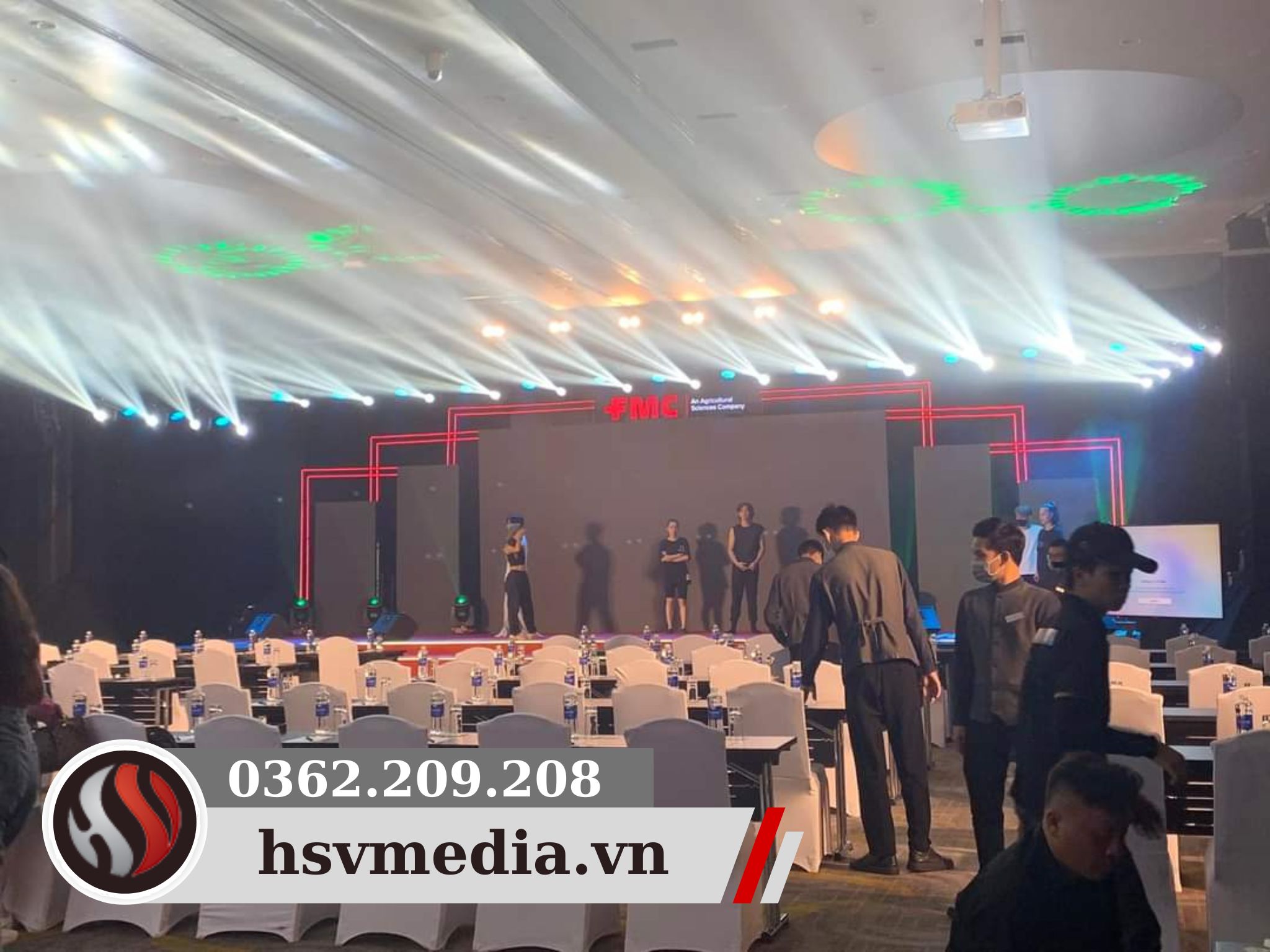
You need to delegate tasks to the logistics team, such as parking, food, drinks, equipment, and necessary supplies for the party. It's crucial to spend time discussing with the logistics team, dividing tasks effectively, and creating contingency plans to address any unforeseen issues that may arise. This process will help ensure the event runs smoothly and professionally.
7. Advertising and Marketing
One month before the event, you should plan and execute promotional activities by preparing banners and posters designed in 2D and 3D, clearly showing the location, time, name of the event, guest names, background, or tagline. This preparation may take considerable time, but it will give the event time to generate curiosity and attract public attention. From there, post-event marketing and communication will be smoother and more effective.

8. Organize and manage yourself.
Organizing an event can be exhausting due to the sheer volume of tasks and preparations. However, you should take some time to relax and open Excel to create a draft plan outlining the tasks and activities for the event. A few spreadsheets will help you manage your work effectively.
Prepare a timeline for each specific activity, list all personnel involved in the organization, detailing which part they will be responsible for and when they need to complete their tasks. This way, you can manage your time effectively and reduce stress because the work is carefully organized.
2 WEEKS BEFORE THE EVENT
1. Ensure everything goes according to plan.
During this time, you need to clearly and definitively decide on the date, time, and location of the event, the guest list and number of attendees, the staff, the event name, etc. If any problems arise, you will have time to resolve them promptly.
2. Decisions on personnel selection
Once factors such as budget, equipment, and schedule have been clearly planned, this is the right time to make decisions about the staff. You must ensure that all members will perform their jobs well and are suitable for their positions. Furthermore, you must ensure that there are no internal problems; a united and well-coordinated team is essential to guarantee both the progress and quality of the work.
3. Assign tasks to staff and appoint an experienced person to coordinate all activities.
If this is a large event, assign one person capable of overseeing and managing all activities and team tasks. Team members should take the time to meet with, address, and consult with experts and experienced individuals before the event begins. Essentially, they will share their work experience and help boost morale so everyone can perform their duties effectively.

4. Announce the event on websites and social media.
Your event will be promoted more widely if you know how to effectively use marketing tools. In addition to announcing the event on social media platforms like Facebook, Twitter, etc., you should also utilize other tools such as your website and blogs.
And of course, the event's website, blog, Facebook page, etc., are extremely effective communication tools. In addition, you can send invitations, reminders, or directly measure attendance and guest response.

5. Seek funding from sponsors or other sources.
A temporary account is necessary to cover initial expenses including venue, equipment, food, etc. Some vendors may require upfront payment before the event, as you should always have an advance payment from your budget.
You must ensure you always have a system for recording and collecting event documents and records such as invoices, receipts, delivery notes, etc. You need to keep all these documents to facilitate the acceptance process later. The process of finding sponsors can be time-consuming and laborious, but it can also help you secure a larger sum of money to make your event a success.
6. Event Promotion
You need to think carefully and plan your communication strategy to introduce your event to the public, and make sure the information you provide is completely accurate. This includes preparing promotional materials, notifying the media, sending letters, making phone calls, sending text messages, and meeting with potential clients and sponsors.
You need to identify your target audience to determine the most appropriate and successful approach. If your customers are students, housewives, or businesspeople, where and when can you reach them?

7. Prepare the necessary documents and supplies for the event: games, souvenirs, permits, etc.
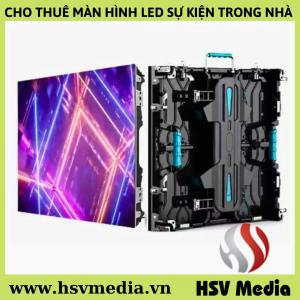
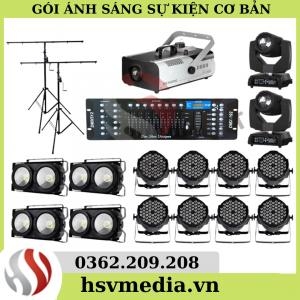
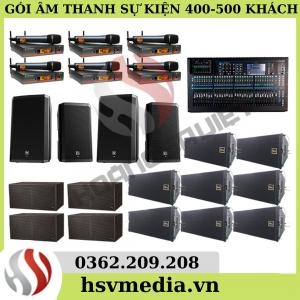
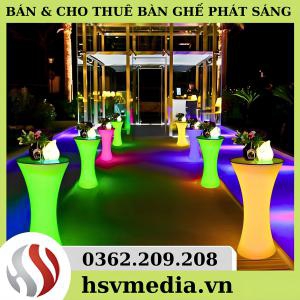
At an event, there are many small and insignificant details that you might overlook, so you must pay attention to even the smallest things. You shouldn't forget things like tables and chairs, sound and lighting equipment, projection equipment such as LED screens, signage, tablecloths, and other important items.
That's why you must constantly think about the details and write down everything you can remember. You must ensure that whatever problem arises, you can handle it.
8. Prepare all the necessary elements for your event.
Preparing everything from images and videos to drinks and food is essential for any event. Additionally, you should check and identify any guests who are vegetarian or have special dietary requirements so you can prepare accordingly. This will earn you top marks from clients for demonstrating the organizer's meticulousness and care. Furthermore, arranging tables and chairs, backdrops, microphones, speakers, computers, and LCD projectors should all be ready at the venue.
9. Prepare a contact list.
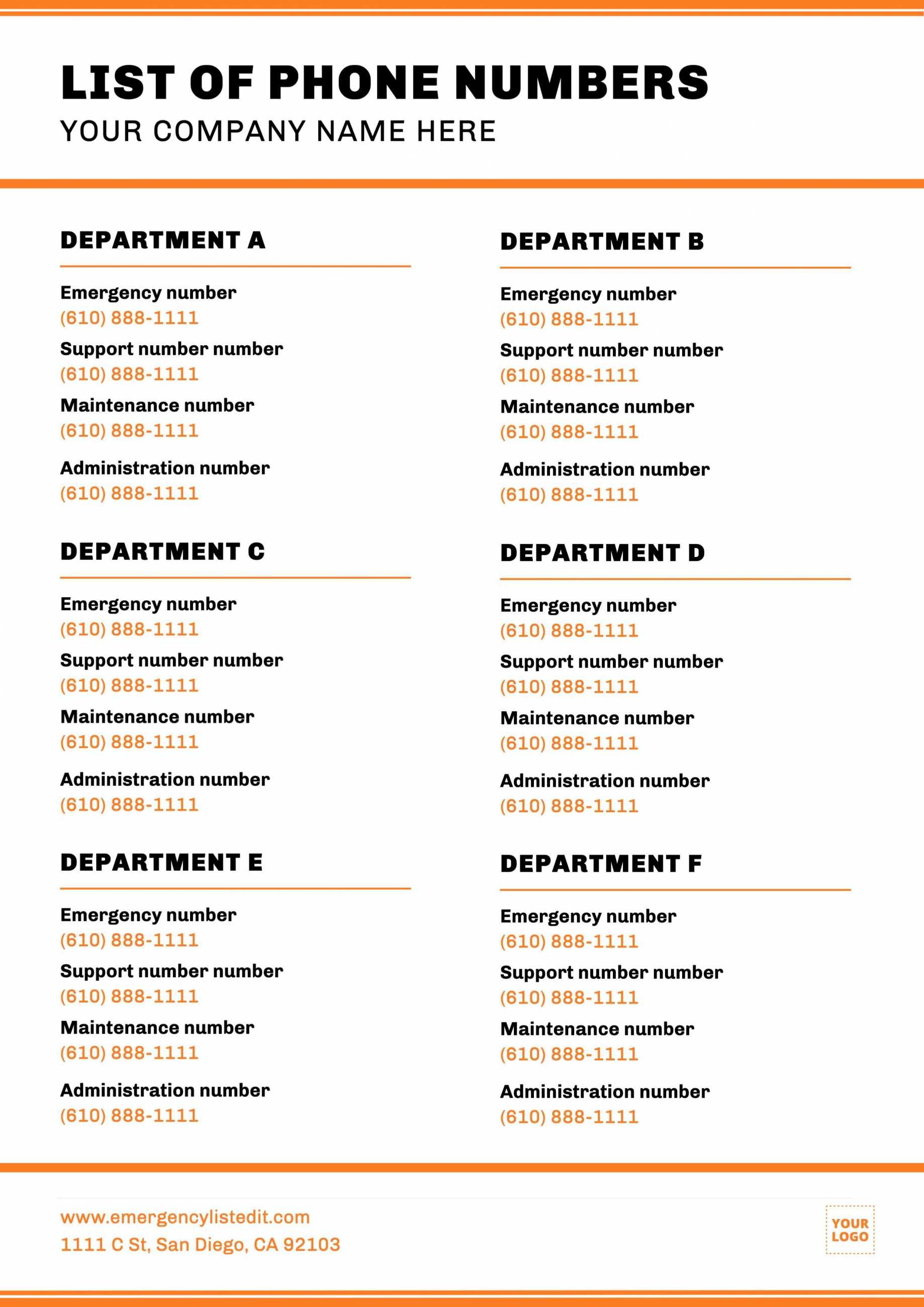
Create a list of all the phone numbers, addresses, and email addresses of your team members so you don't have to waste time searching when you need to contact them. Additionally, you should also create a similar contact list to save information for VIP clients and suppliers of goods or services.
10. Site survey
Site surveying is absolutely essential. You need to clearly identify the event space, parking, restrooms, entrances, and emergency exits. Essentially, you need to know the event location like the back of your hand. Additionally, you should contact the people responsible for managing the event venue; they will share important information such as venue regulations, opening and closing times, alarm systems, etc. This will allow you to control activities within the event space more conveniently and easily.
Through the above article,HSV MediaHopefully, you'll find this information helpful in practicing effective event organization and management. Stay tuned for Part 2 from HSV Media to learn even more useful knowledge about events!
CONTACT INFORMATION
HSV Media Event Equipment Company - Leading Reputable Event Equipment Rental Company in Ho Chi Minh City, Specializing in LED Screen, Sound and Lighting Equipment Rental
HOTLINE: 0978.672.682
WEBSITE:https://hsvmedia.vn/