The system is processing. Please wait a moment!




- Home Tiêu Điểm Ngành Sân Khấu - Sự Kiện Event Design & Decoration Event Stage Design Process



Event Stage Design Process
TABLE OF CONTENTS
In any professional event, the stage is not only the central focal point but also directly impacts the overall experience of attendees. So, what is the stage design process like? What should be considered to ensure safety and aesthetics? Let's explore the details in the article below to gain a comprehensive understanding before implementing any stage design for your event.
THE ROLE OF STAGE DESIGN IN PROFESSIONAL EVENTS
In any event, the stage is the heart of the entire space – where all eyes are focused, and where the message is most powerfully conveyed. Stage design is not simply about setting up a performance area, but also about creating a visual impact, a professional atmosphere, and brand value.
1. Create visual highlights – elevate the event's image.
The stage is the focal point that attracts all attention. An impressive stage design, synchronized with the program concept, will contribute to creating a lasting impression on guests – thereby enhancing communication effectiveness and brand recall.
2. Reflecting the spirit and goals of the event.
From color and layout to lighting effects, the stage needs to be designed to convey the right spirit of the program: formal and professional for a conference, vibrant and creative for a product launch event, or dazzling and emotional for a customer appreciation party.
3. Ensuring safety and optimizing operation
A good stage design is not only aesthetically pleasing but also needs to ensure technical aspects: a solid structure and a well-planned layout for the sound, lighting, and LED screen systems. This allows organizers to control the event more easily while ensuring the safety of performers and the audience.
4. Create a complete experience for your guests.
When the stage is well-designed, harmoniously combining visuals, sound, and performance effects, the audience's experience is elevated. They not only "watch" an event, but also "feel" the atmosphere, emotions, and values that the program brings.
DETAILED STAGE DESIGN PROCESS FROM A TO Z
1. Receiving Requirements & Analyzing Event Concept
Every design begins with a clear understanding of the event's goals and message. This phase includes:
Identify the type of event (opening ceremony, conference, awards ceremony, concert, etc.)
Design style (luxurious, modern, youthful, etc.)
Number of attendees, venue, and time of event.
2. Site Survey
A site survey helps ensure the stage design is appropriate for the location and optimizes operational efficiency. Below are some factors that require special attention during the survey process:
Accurately measure the stage area and the distance to the audience.
Determine the overall spatial layout.
Check the existing electrical, sound, and lighting systems.
Safety assessment: emergency exits, floor and ceiling load-bearing capacity.
Note the actual environmental conditions (if outdoors).
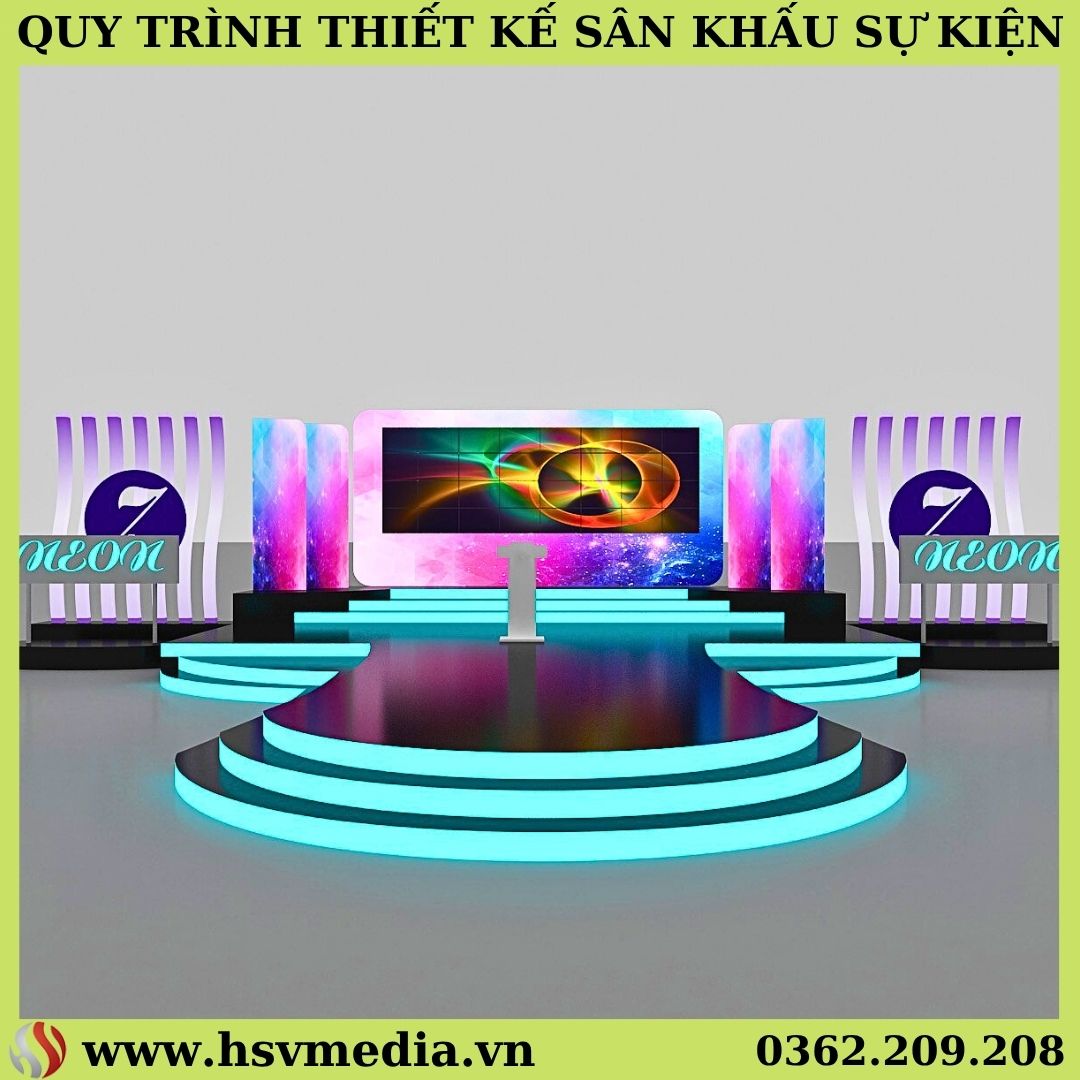
3. Create 2D/3D Design Drawings
Based on the program objectives and site characteristics, the design team will create preliminary drawings, including:
Overall layout drawing
Design style & color theme
Location of LED screen, podium, and performance area.
Additionally, you can refer to previously implemented stage designs or look for creative ideas to add a unique and distinctive touch to your event.
4. Review and Adjust the Design
Clients will be given a preview of the design to provide feedback and make adjustments if needed. This step ensures that all their wishes are accurately and fully expressed.
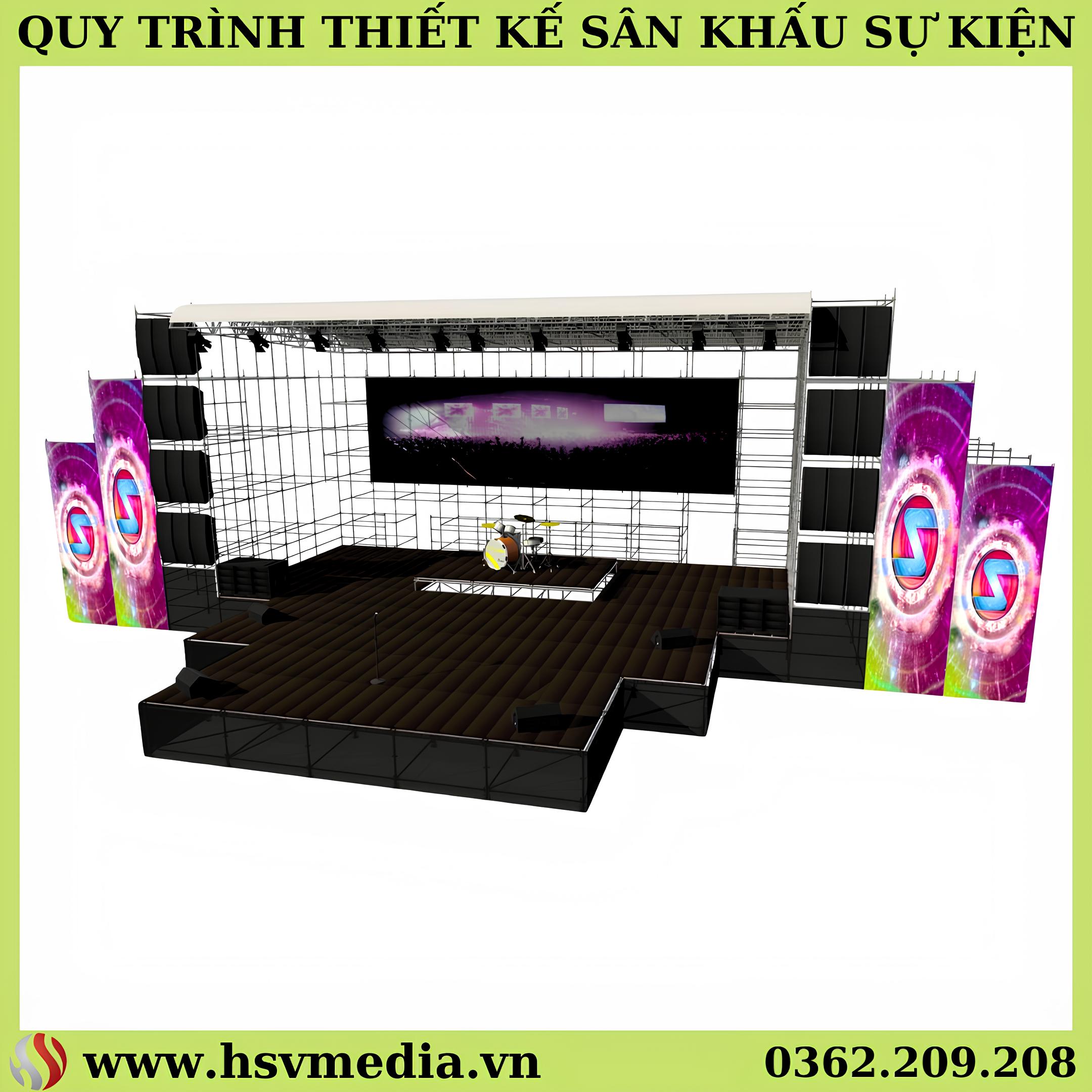
5. Stage Construction Planning
Before construction begins, a detailed plan regarding time and personnel is necessary . The main steps include:
Set up the stage frame.
Install the base and decorate.
Installation of lighting and sound systems.
Proper scheduling saves time, ensures effective coordination, and minimizes errors during the process.
6. Stage Construction and Installation
The technical team will carry out the construction according to the design drawings. The steps involved include:
Erect a sturdy frame and foundation for the stage, ensuring safety.
Install LED screens, backdrops, or backgrounds according to the approved layout.
Lighting system arrangement
Sound system setup
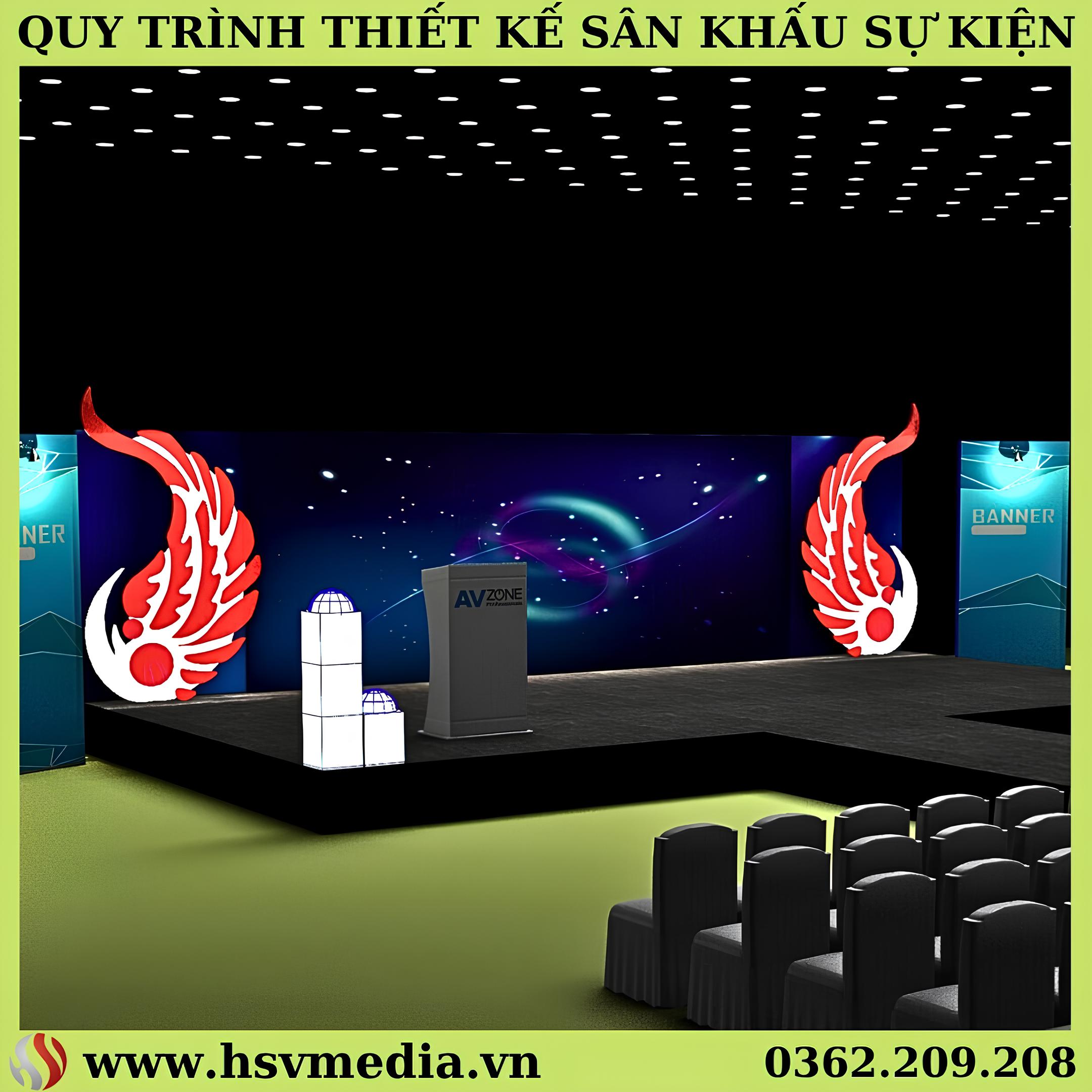
Decorate the stage with props, plants, and banners according to the event's theme.
7. System Testing and Run
After installation, a thorough inspection is necessary to ensure all components are functioning properly.
The stability of the stage, podium, and stairs.
The lighting effects
The sound is clear, free from interference and loss of audio.
The LED screen displays content accurately and images sharply.
A comprehensive technical, safety, and aesthetic inspection is required
8. Adjustment and Refinement
Based on the test results, make adjustments to address any areas that need improvement:
Adjust the lighting, sound, or presentation content.
Rearrange the props and add decorative details to complete the stage space.
9. Handover & Operation During the Event
Once completed, the stage is handed over to the organizing committee. Throughout the event, the technical team will be on standby to promptly handle any issues such as power outages, sound problems, or LED screen malfunctions, ensuring the program runs smoothly.
10. Dismantling & Post-Event Acceptance
At the end of the event, the stage was dismantled in a safe manner, avoiding damage to the equipment. Then, the following steps were taken:
Check all equipment and accessories.
Evaluate the construction process and learn from it for future projects.

SOME FACTORS TO CONSIDER WHEN DESIGNING A STAGE
Safety is the top priority: Especially for outdoor or high stages, the structure must be able to withstand the load and weather.
Appropriate for the space and scale of the event: Avoid stages that are too large or too small, which can create an imbalance.
Minimize obstructions to visibility: Items such as LED screens and lighting must be arranged appropriately to allow viewers to observe easily.
Aesthetics : Stage design needs to be consistent with the overall event – from colors and fonts to layout.
Contingency Plan B: Always have an alternative plan in case of bad weather or technical problems.
The event stage is not only the venue for the main activities but also the focal point that attracts all eyes. To create an impressive space, stage design needs to be done systematically – from the initial concept and material selection to construction and completion.
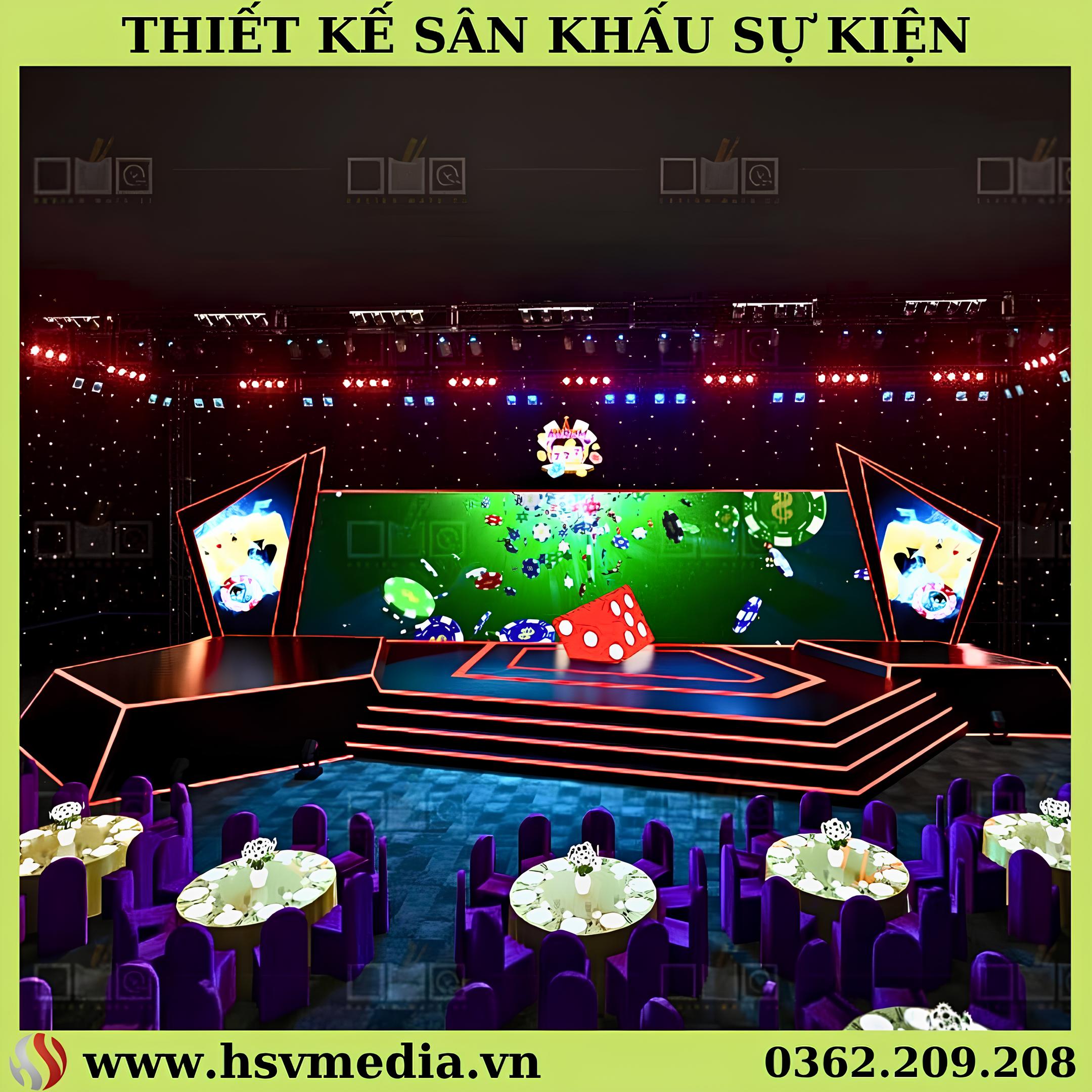
A standard stage not only needs to be aesthetically pleasing but also must adhere to technical safety principles. Lighting, sound, stage structure, and walkways must all be carefully planned to provide a complete and professional experience for guests.
HSV Media – A professional and reputable stage rental company.
If you are looking for event stage rental solutions, HSV Media is the top choice. With many years of experience in event organization and specialized equipment provision, HSV Media is committed to:
- Fast and on-schedule construction: Our team of professional technicians ensures precise and safe execution of the work.
- Consulting & customized design: We assist in brainstorming and designing stages suitable for various types of events.
- Modern equipment, regular maintenance: We guarantee that our stage equipment will always be in the best condition upon delivery.
HSV Media not only provides the stage but also partners with you to create memorable, professional, and impressive event moments. Contact us now for quick consultation and pricing!
CONTACT INFORMATION FOR EVENT STAGE QUOTATIONS
Hotline: 0362.209.208
government:https://hsvmedia.vn/
Address: 184/20 Le Dinh Can Street, Tan Tao Ward, Binh Tan District, Ho Chi Minh City
Price List for Event Equipment Rental Services
.jpg "LED Screen")
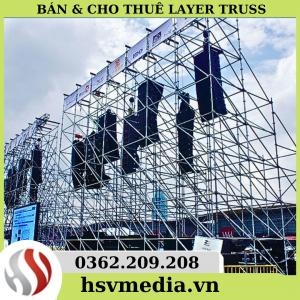
.jpg "Event Stage")
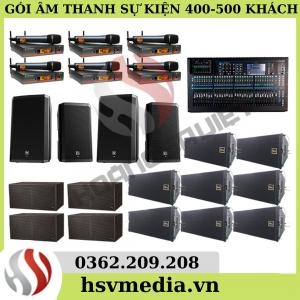
.jpg "Sound and Light")
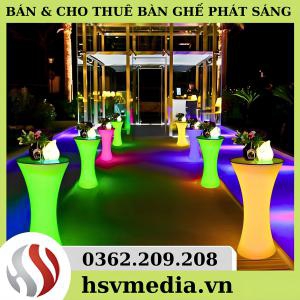
.jpg "Event Equipment")