The system is processing. Please wait a moment!






Guide to Adjusting Your Audio Mixer for the Best Sound Quality
WHAT IS AN AUDIO MIXER?
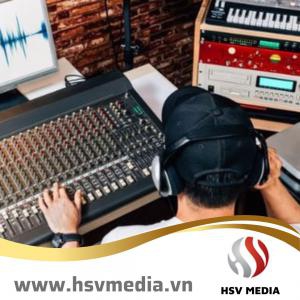
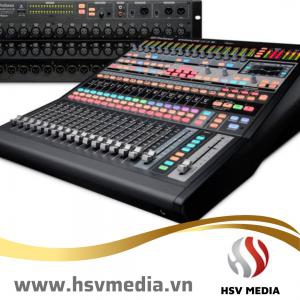
A mixer is an audio signal mixer used for processing sound. It is considered an extremely important device, the "processing center" of the entire sound system in any event. The mixer receives information from microphones, musical instruments, and other sound-producing devices. After receiving the information, the mixer processes the signal. Then, it outputs a single signal which is then sent to the amplifier.
IS IT DIFFICULT TO ADJUST THE AUDIO MIXER?
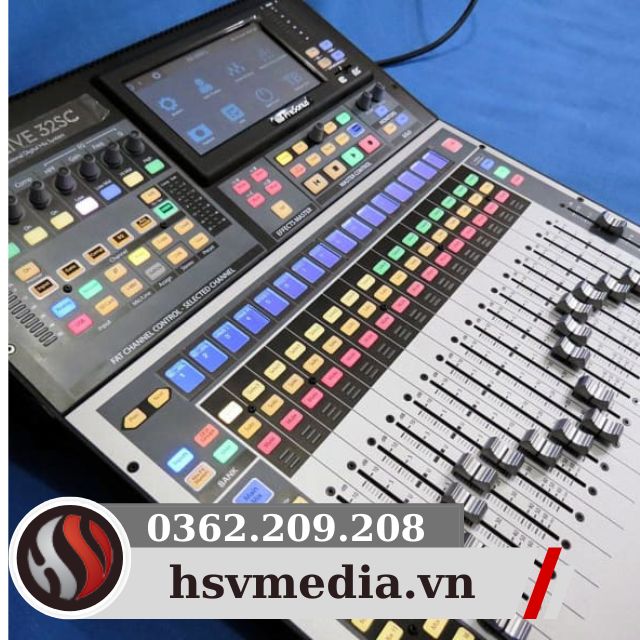
For a sound system operator , a mixer is an indispensable device. It helps them achieve a professional and high-quality sound output according to their preferences. Therefore, knowing how to adjust a mixer is a crucial skill that you need to possess if you want to use or work in the field of sound.
To answer the question of whether adjusting a mixer is difficult, the truth is that if it's a field you enjoy and want to pursue, then it's not difficult at all! Mixers have various sound adjustment knobs, each with a different function. If you thoroughly understand the function of each knob, adjusting vocals, speech, reverb, echo, as well as compressor and limiter becomes very easy; even non-professionals can do it.
.jpg "Basic mixer console")
GUIDE TO ADJUSTING YOUR MIXER FOR BEST PERFORMANCE
Below is information that HSV Media has compiled to share with you about the most basic knowledge and adjustment methods for mixers, which you need to know before delving deeper into using professional mixers.
1. Adjust the mixer according to the vocals.
Nowadays, singing is an essential part of many programs and requires a high-quality sound system to meet this need. Each person has a different singing voice, so to adjust the mixer correctly, you need to understand the characteristics of each person's voice as well as the equipment in the karaoke system: karaoke speakers, karaoke microphones, and other equipment in the system.
That's because everyone has a different singing voice and volume. But generally, when considering the characteristics of human voices, they can be divided into two types: male voices and female voices.

Male voices typically have a dominant bass and middle register, while female voices are usually dominated by treble, so mixer operators must pay attention to this to make the vocals clearer. However, adjusting the mixer for vocal clarity requires a balanced frequency range. Some points to keep in mind include:
- Singers with a strong bass and middle range in their voices tend to be more expressive and easily convey emotions to the listener. Therefore, those who sing well in this frequency range often have an advantage; simply adjusting the treble slightly will result in an extremely captivating voice. Note that you can reduce the bass and middle frequencies slightly on the mixer to avoid feedback or whistling that could affect the performance.
- A voice with a high treble range will give listeners a feeling of lightness and clarity. However, listening to it frequently can become monotonous. Therefore, the way to adjust the mixer in this case is to add bass and middle notes to make the vocals fuller and more captivating.
2. Differentiating between Echo and Reverb when adjusting the mixer.
These two effects are easily confused when adjusting the mixer. While Echo creates a reverberating sound, like shouting in a cave, Reverb/Delay creates a sustained sound, making vocals or instruments sound more expressive and deeper.
Echo effects are common in home karaoke systems. In fact, many people mistakenly believe this effect enhances vocals, but excessive echo can make the sound unclear and artificial. Experienced singers performing on stage use very little echo and always combine it with reverb/delay to create the most harmonious vocal sound.
3. Handling compressors and limiters
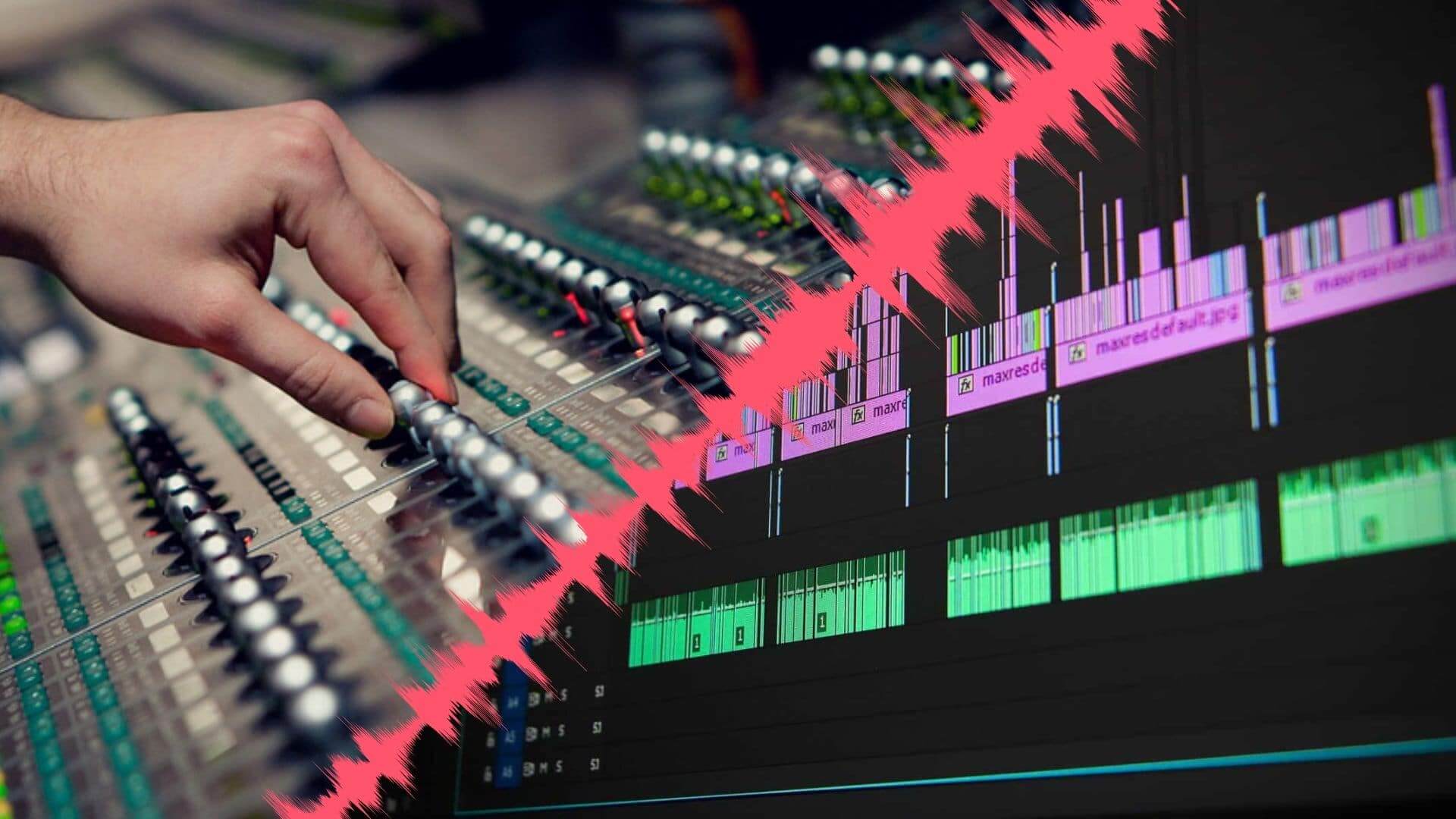
In any musical event or performance, the applications of compressors and limiters are indispensable. When processing sound, it's crucial to consider the harmony between vocals, instruments, and accompanying audio equipment. Therefore, the technician's most important task is adjusting the compressor appropriately. For example, if the sound is too loud and exceeds the preset level, "lower the compressor"; if it's too quiet, "higher the compressor".
However, without the knowledge and experience to properly adjust the mixer, you won't know how to handle this situation skillfully, and you could easily lose the "feel" of the sound. The best way is to divide the compressor for each frequency range to effectively control the sound. As for the limiter, it will prevent the sound from exceeding your allowed threshold, limiting "over" that causes feedback, distortion, and damage to the equipment.
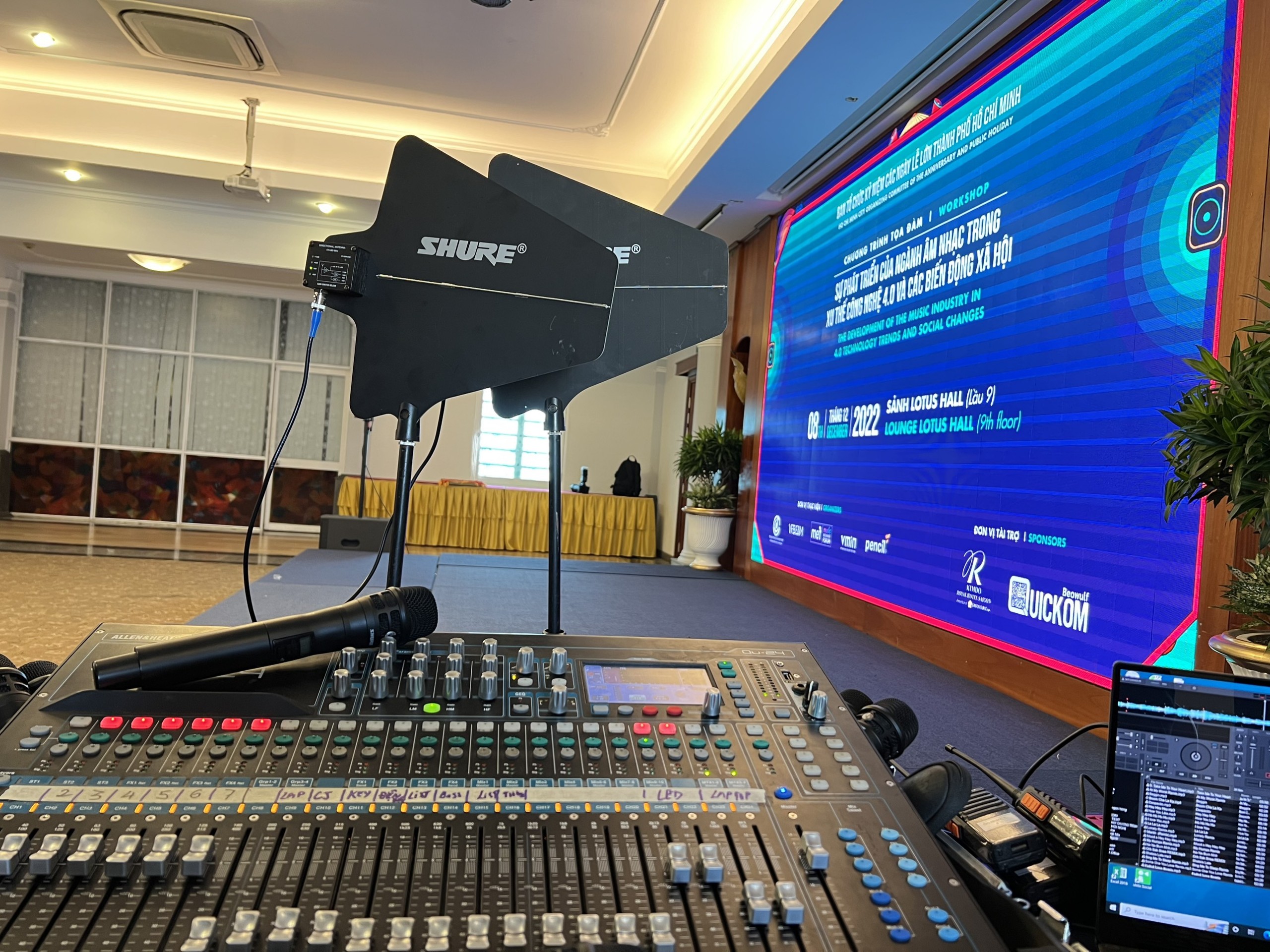
The above is an article that HSV Media wants to share with you, hoping to provide you with useful information and knowledge about audio mixers.
HSV Media – a reputable, high-quality, and professional sound and lighting rental company – is pleased to serve you. Please contact us via Hotline: 0978.672.682 for consultation and to receive the most suitable service.