The system is processing. Please wait a moment!




- Home SHARING EXPERIENCES How to Set Up a Simple Event Stage
How to Set Up a Simple Event Stage
WHAT ARE THE REQUIREMENTS FOR A STANDARD EVENT STAGE?
1. Stage height
Depending on the nature of the event, the stage height will vary. However, the stage is usually raised at least 20cm above the ground so that the audience has a clear view of the entire stage.
2. Stage setting
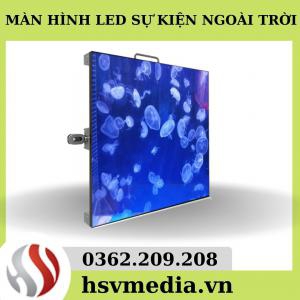
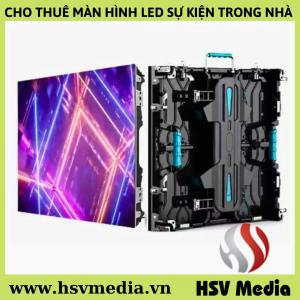
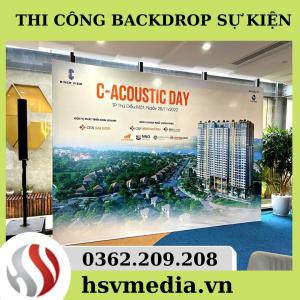
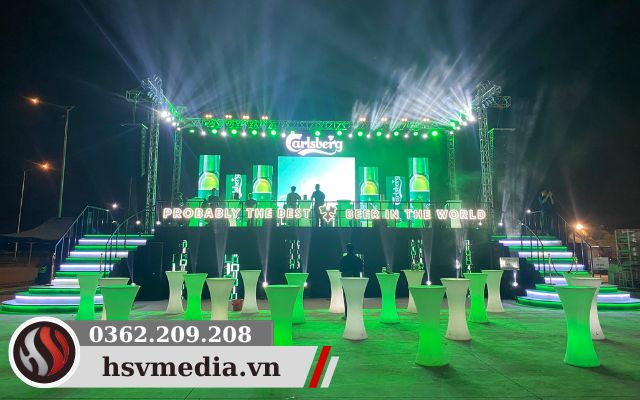
This is a crucial element in highlighting the event's theme, so the stage setting needs to match the event's content. Nowadays, events often use LED screens as stage backdrops; this method is very effective because LED screens can change transition effects to suit each program's content, as well as demonstrating professionalism and attracting viewers to watch the event.
3. Stage decoration
To match the event's theme and make it easier for viewers to visualize, stage decoration is crucial. A well-decorated stage enhances the event's aesthetics and attracts more attendees.
4. Sound and lighting system
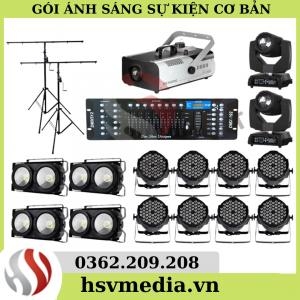
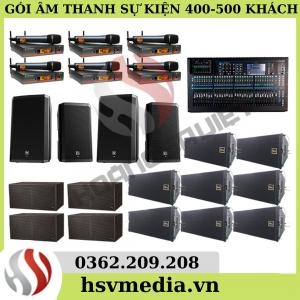
Sound and lighting are two effective and vivid ways to convey event content; therefore, coordinating these two systems to suit each program's content on stage is a matter that requires careful consideration.
THINGS TO CONSIDER WHEN INSTALLING AN EVENT STAGE
1. Audience seating arrangement
Generally, the ideal seating position for the audience is directly in front of the stage. Sitting directly in front of the stage provides a more comfortable and focused experience compared to sitting on either side or too far back, which can obstruct the view and cause discomfort and distraction.
2. Stage location
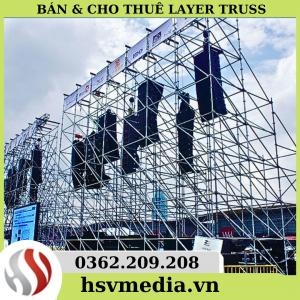
For indoor events, the stage can be placed against a wall, but for outdoor events, the stage will be erected using a sturdy truss frame. Currently, portable modular stages are becoming increasingly popular because they ensure safety and convenience. If you want to design a stage that the audience can easily observe from all four sides, you can raise the height of the stage so that the audience has a better view, and you can utilize the space under the stage to place necessary equipment and props.
3. Stage size
The stage size should match the scale of the event. If the stage is small but the event is medium or even large, you can use large, simply designed decorative items to create a good effect, and the audience in the back can also see them.
4. Distance from the front row of seats to the stage
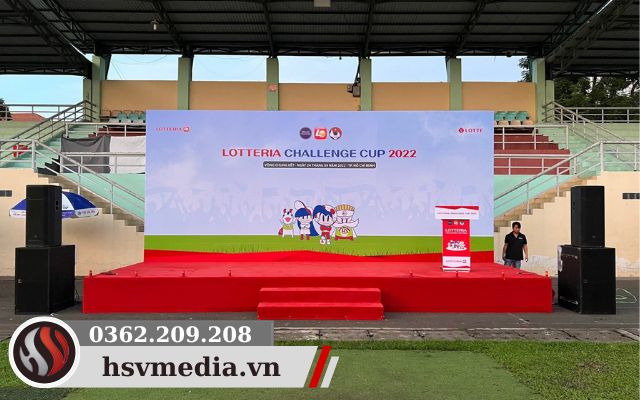
Depending on the scale of the event and the size of the stage, the distance to the front row seats should be arranged appropriately. Typically, events require a minimum distance of 1.5-2 meters. However, for smaller events where a cozy and intimate atmosphere is desired, this distance may be shortened to better suit the nature of the event.
5. Obstacles to visibility
Once the audience's view is obstructed or obscured by obstacles, this will be a major drawback affecting the effectiveness of the event. Therefore, during stage setup, it is essential to ensure that the audience's view is unobstructed and that they can easily see the entire stage.
6. Arrange the stage equipment.
At current events, sound and lighting are crucial elements. Therefore, speaker systems, LED screens, and lighting fixtures need to be carefully designed to avoid visual clutter. This will help create a modern, tidy stage that enhances the event's effectiveness.
7. Time for stage setup and rehearsal.
When organizing an event, you need a detailed and specific plan, including scheduling the stage setup. Depending on the event's requirements, you need to rent and prepare the venue in advance so that you can carefully set up the stage and have time to test it before the event to prevent any unforeseen problems.
GUIDE TO SETTING UP A SIMPLE STAGE
1. Develop ideas for the stage.
To design a standard stage, you first need to determine factors such as the size, shape, and height of the stage. Typically, for small event stages or music concert stages, a rectangular design with a platform for performers is preferred. Additionally, you can use LED screens to create a beautiful, sharp, eye-catching backdrop that is easy to change to attract more viewers.
2. Determine the placement of the sound and lighting system.
Determining the optimal placement of the lights is crucial. Improperly placed lights will take up too much space, making the stage look cluttered and aesthetically unappealing. Furthermore, when hanging lights, ensure they are symmetrically positioned, as this is a fundamental principle in stage design for events.
3. Prepare or rent a stage.
When you need to organize events, it's best to rent a stage from a reputable company. This will save you time, effort, and money. Ideally, you should find a quality event rental company to ensure quick, safe, and high-quality installation.
.jpg "Event stage")
4. Time required for stage setup for the event.
For smaller stages, you only need to set up the stage about 2 to 4 hours before the event. For larger stages, you need to have the stage set up at least 12 hours in advance to ensure enough time to check and prepare everything before the event takes place.
The installation process is as follows:
Step 1: Install the stage frame and flooring, and cover with colored carpet to enhance the professionalism of the event.
Step 2: Install the hanging frame and backdrop for the stage.
Step 3: Install the lighting components and set up the sound system.
Step 4: Decorate the stage, add bows and flowers (according to the purpose of the event).
PROFESSIONAL EVENT STAGE RENTAL AND INSTALLATION SERVICE
HSV Media is a leading event stage rental and installation company in Ho Chi Minh City. With over 10 years of experience in event rental and organization, HSV Media is confident in providing our customers with the best and highest quality services.
HSV Media's stages are installed with exceptional sturdiness, using truss frames manufactured entirely in-house under the Viettruss brand. Therefore, customers can have complete peace of mind regarding our products. For more information, please call our hotline: 0978.672.682 for consultation and support.