The system is processing. Please wait a moment!




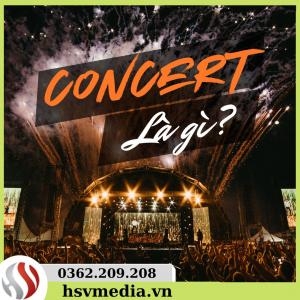
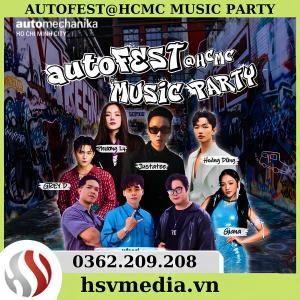
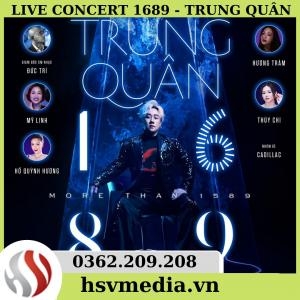
What should you keep in mind when organizing a music event?
TABLE OF CONTENTS
Music events are always a focal point of public attention throughout the year, creating a vibrant atmosphere and connecting communities. Organizing a successful large-scale music event requires meticulous preparation from concept to execution. Are you dreaming of a memorable music night? Let this article be your trusted companion. HSV Media will provide useful information and practical experience to help you organize a music event that exceeds expectations. Don't hesitate, explore now!
WHAT ARE MUSIC EVENTS?
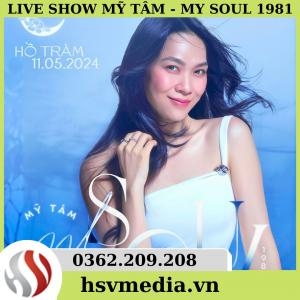
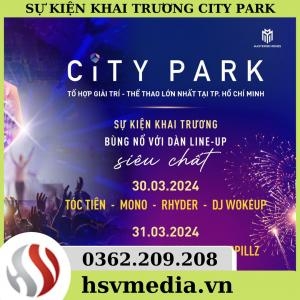
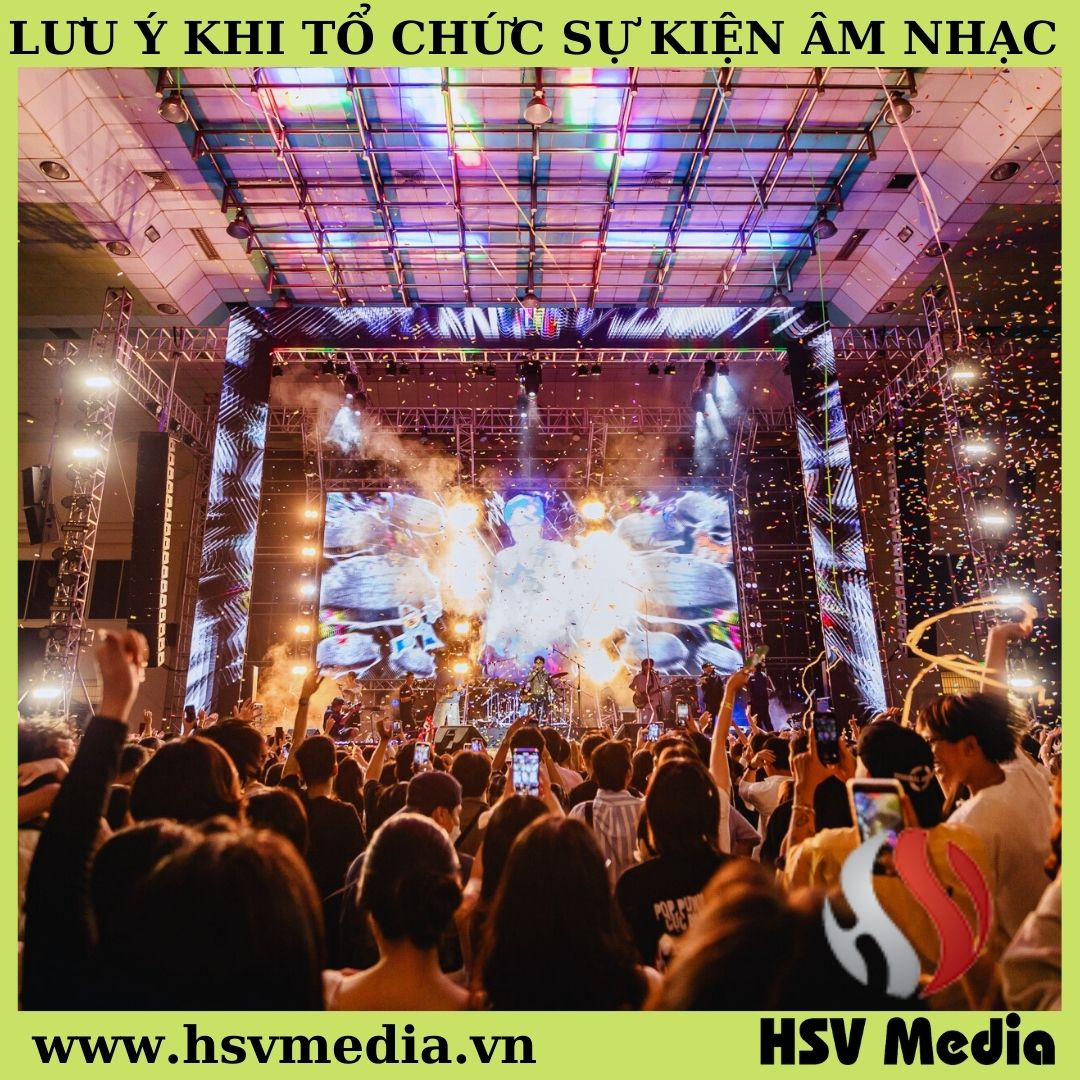
A music event, music festival, or concert, is a community cultural event that features live, vibrant performances of singing and instrumental music, often themed and intended for entertainment. Depending on the scale and objectives, music events can attract tens of thousands of attendees, becoming an integral part of the entertainment industry.
Music events are not just musical stages; they are also platforms for cultural exchange, where audiences, artists, and brands connect and create community value. Organizing a successful event requires meticulous investment in every stage, from conceptualization to execution.
Price List for Event Equipment Rental Services
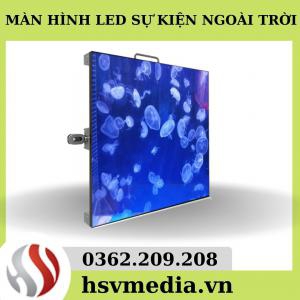
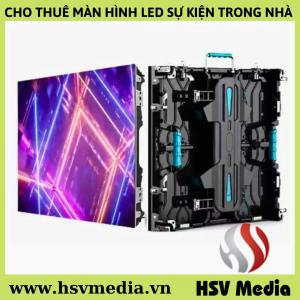
.jpg "LED Screen")
.jpg "Event Stage")
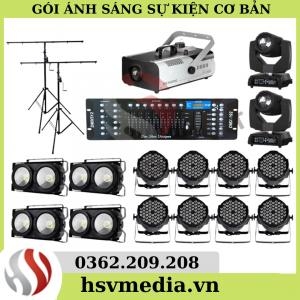
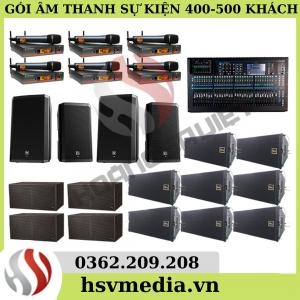
.jpg "Sound and Light")
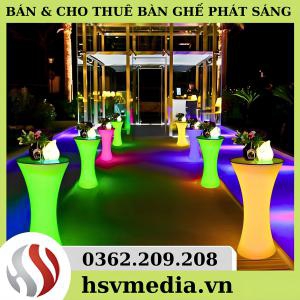
.jpg "Event Equipment")
THINGS TO CONSIDER WHEN ORGANIZING A MUSIC EVENT
Organizing a successful music event requires thorough and meticulous preparation. Here are some important factors to keep in mind:
1. Define the goals and target audience:
Objective: What is the purpose of this event? To promote an artist, raise funds, or simply create a fun space for the community?
Target Audience: Who is your target audience? Their age, musical preferences, and spending power will influence many aspects of the event.
2. Choose a suitable location:
Scale: The venue needs to be large enough to accommodate the expected number of attendees.
Location: Choose a location that is easy to find, has convenient transportation, and has parking.
Facilities: Ensure that the sound system, lighting, restrooms, and other amenities meet the required standards.
3. Stage design and audience experience:
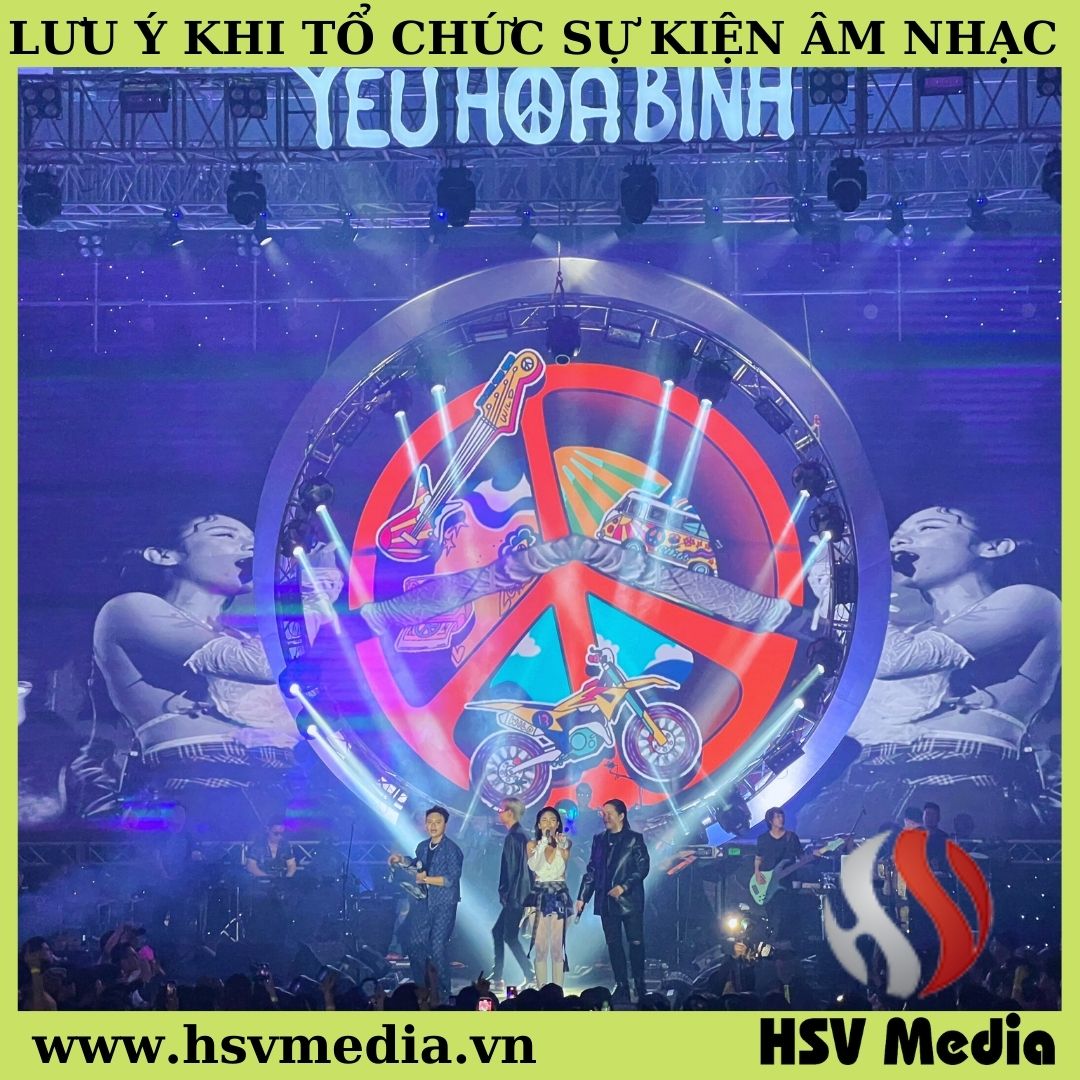
Stage: The stage design must be impressive, match the musical style, and provide the best conditions for the artists to perform.
Audience area: Arrange seating or standing space appropriately, ensuring good visibility for everyone.
Side activities: Organizing entertainment activities, food stalls, and interactive activities to enhance the event's appeal.
4. Selecting artists and developing the performance program:
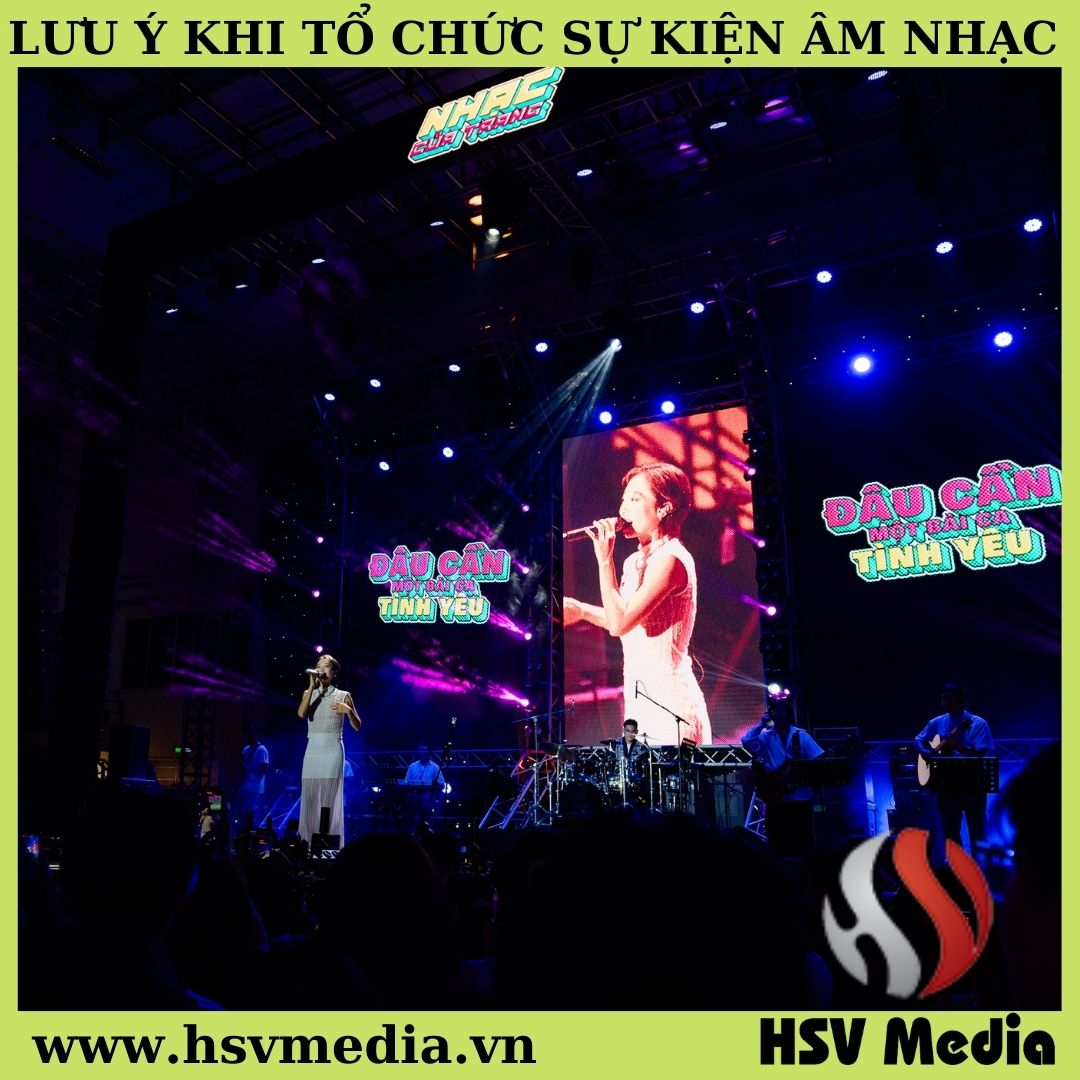
Artists: Invite artists who are suitable for the target audience and the theme of the event.
Performance program: Create an engaging performance program that combines different acts to keep the audience captivated.
Performance schedule: Create a detailed performance schedule, ensuring that each artist's performance time is reasonable.
5. Sound and lighting management:
Sound: Invest in a high-quality sound system to ensure clear and consistent sound throughout the space.
Lighting: Design an impressive lighting system that creates beautiful effects and supports the artist's performance.
6. Promotion and communication:
Event branding: Create a unique logo, slogan, and visual identity for the event.
Communication channels: Utilize a variety of communication channels such as social media, newspapers, and radio to promote the event.
Audience interaction: Create contests and mini-games to engage the audience.
7. Risk management and security:
Security: Ensure the security of the event by hiring a professional security team and installing necessary security equipment.
Fire prevention and control: Ensure all necessary fire prevention and control equipment is available and have a plan in place to respond to emergencies.
Healthcare: A medical team is on standby to handle emergencies.
8. Financial Management:
Create a detailed budget: Estimate the costs for all aspects of the event.
Cost control: Regularly review and compare expenses.
Seeking sponsors: Partnering with sponsors to alleviate the financial burden.
9. Evaluation and lessons learned:
Gathering feedback: Collect opinions from the audience, artists, and partners to assess the success of the event.
Lessons Learned: Learn from successes and failures to organize better events in the future.
POPULAR FORMS OF ORGANIZING MUSIC EVENTS
Music is a universal language, connecting people and providing wonderful experiences. To meet the increasingly diverse musical tastes of audiences, the forms of organizing music events have also become more varied and creative. Below are some popular forms currently in use:
Concerts: This is the most traditional and popular form of music. Concerts can take place in a variety of venues, from large stages to cozy tea rooms. Each concert offers a unique musical experience, from romantic symphonies to energetic rock tunes.
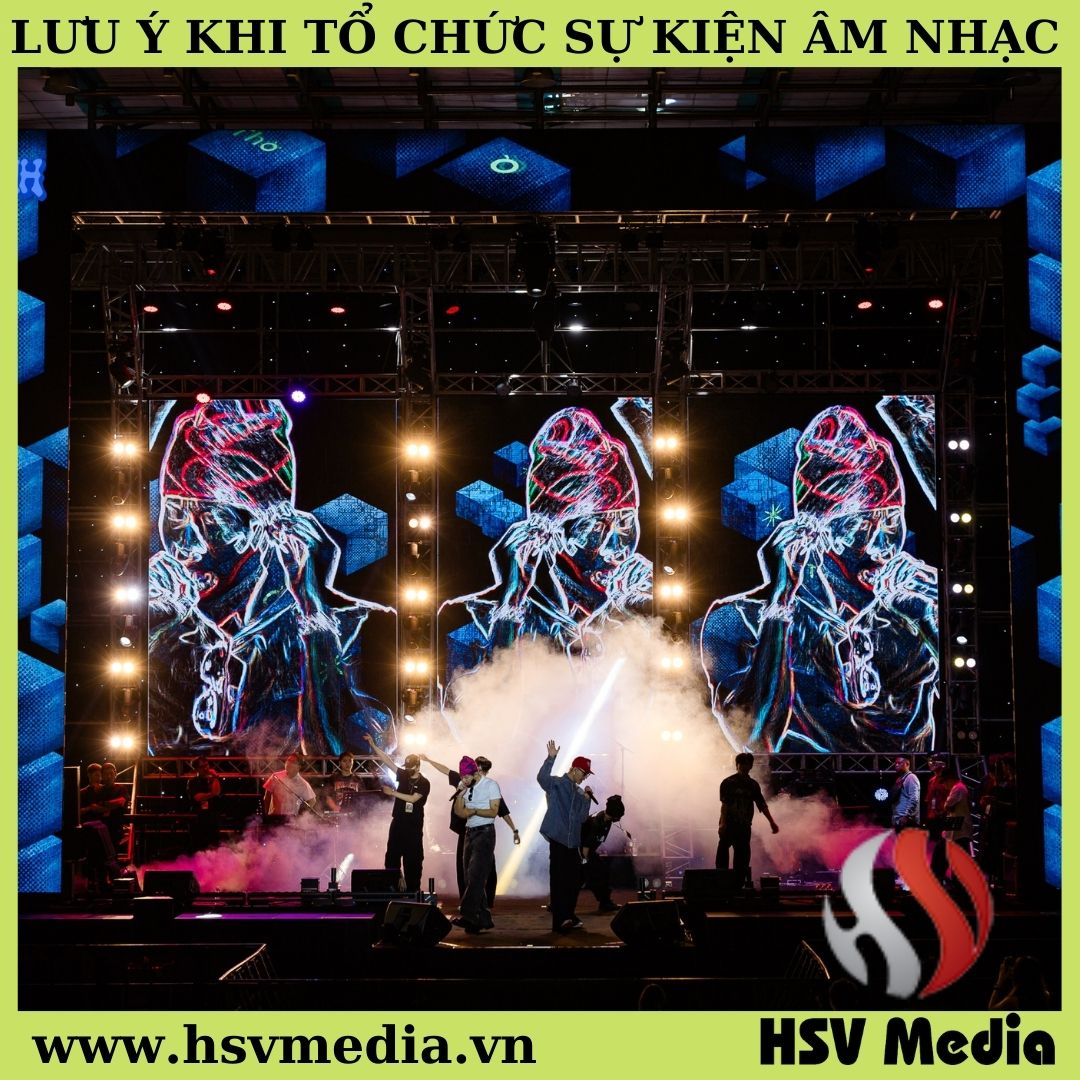
Music Festivals: These are large-scale events, often lasting several days, focusing on a wide variety of musical genres. Music festivals are not only places to enjoy music but also unique cultural experiences, with side activities such as camping, food, and other artistic performances.
Virtual Concerts: The Covid-19 pandemic has significantly boosted the growth of this type of event. Thanks to technology, audiences can enjoy live performances from anywhere in the world and interact with artists through online platforms.
Brand-coordinated music events: This is a type of event organized to promote products, services, or brand image. These events are usually meticulously planned in terms of sound, lighting, stage design, and feature performances by famous artists.
Themed music events: These focus on a specific theme or genre of music. Examples include electronic music festivals, jazz festivals, or classical music festivals.
Community music events: Organizing free or low-cost music performances to provide opportunities for everyone to enjoy music together.
Charity music event: To raise funds for social causes, artists will perform to solicit contributions from the community.
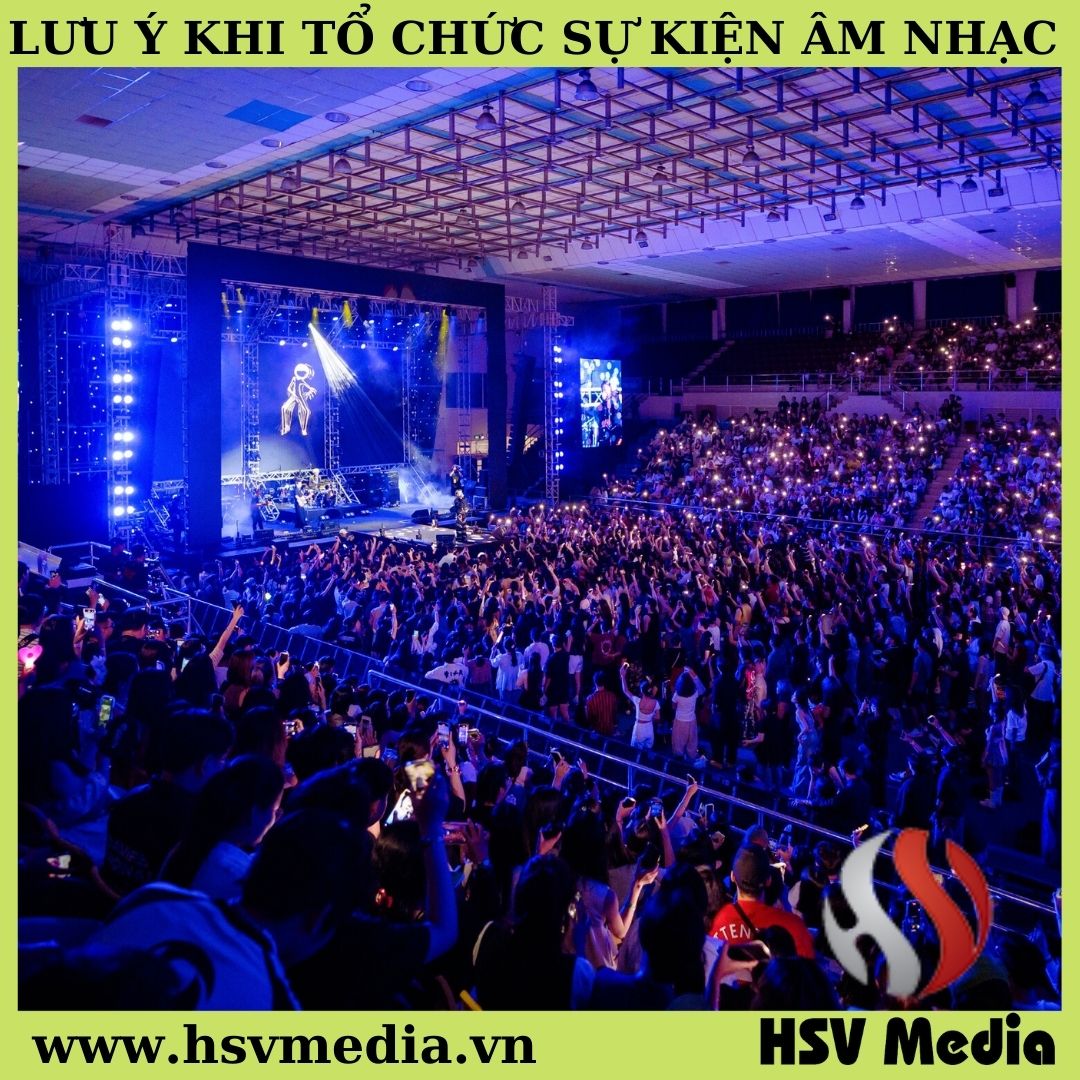
PROFESSIONAL MUSIC EVENT ORGANIZING AGENCY IN HO CHI MINH CITY
Do you want a unique and memorable music event? Do you want to create an unforgettable experience for your audience? Do you want to build a professional brand image? Let HSV Media help you! With our team of creative and experienced experts, we are committed to providing you with the best equipment and solutions. Contact us today for a free consultation and the best price quote.
CONTACT INFORMATION FOR QUOTATIONS ON MUSIC EVENT EQUIPMENT
Hotline:0978.672.682
government:https://hsvmedia.vn/
Address: 184/20 Le Dinh Can Street, Tan Tao Ward, Binh Tan District, Ho Chi Minh City
Price List for Event Equipment Rental Services