The system is processing. Please wait a moment!




- Home Tiêu Điểm Ngành Sân Khấu - Sự Kiện Kinh Nghiệm Tổ Chức Sự Kiện Notes on Seating Arrangements for Events
Notes on Seating Arrangements for Events
TABLE OF CONTENTS
Seating arrangements at an event are not simply about arranging tables and chairs; they are a strategic factor that directly impacts the effectiveness and overall experience of the program.
A well-designed layout will ensure aesthetics, optimize views of the stage, and provide comfort for guests throughout the event. Below are the basic principles and important considerations to keep in mind when designing a seating chart.
HOW DOES THE TYPE OF EVENT AFFECT SEATING ARRANGEMENTS?
To create a suitable seating arrangement, the first and most important step is to clearly define the nature of the event. Each type of event will require a different arrangement to optimize the experience for attendees:
Conferences and seminars: A classroom or theater-style layout should be adopted to ensure direct line of sight and high concentration for participants.
For music events and art performances: Tiered or arena-style layouts are ideal choices to create an energetic atmosphere while enhancing the connection between the audience and the stage.
Gala dinners and corporate events: Arranging tables in a round or long configuration encourages interaction and creates a sense of closeness among guests.
Exhibitions and trade fairs: Flexible seating designs are essential, harmoniously integrated with exhibition spaces, walkways, and experiential areas to ensure convenience and comfort.
COMMON SEATING ARRANGEMENTS FOR EVENTS
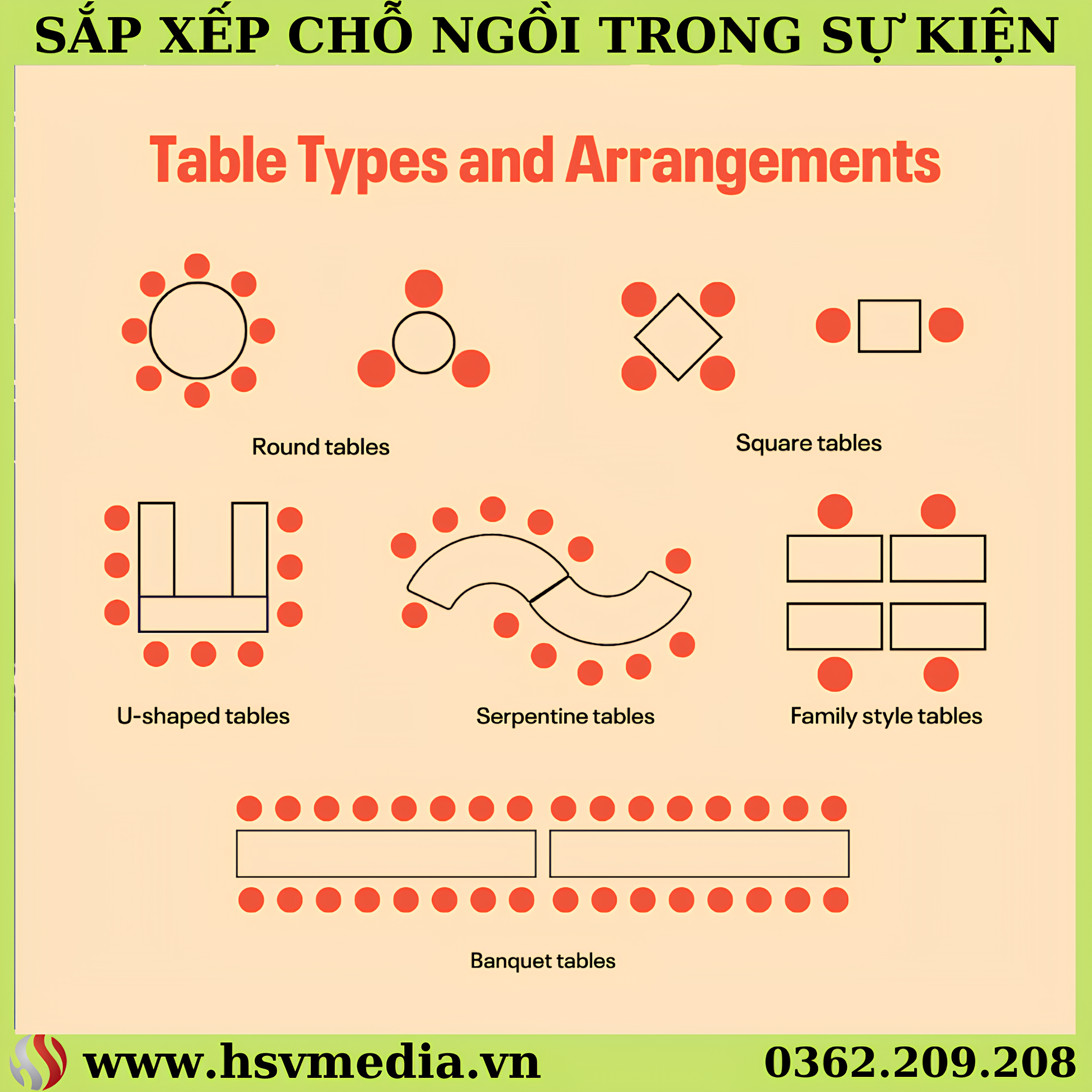
Choosing the right seating arrangement will contribute to improving the efficiency of the event and the attendee experience. Below are some common seating arrangements used in various types of events:
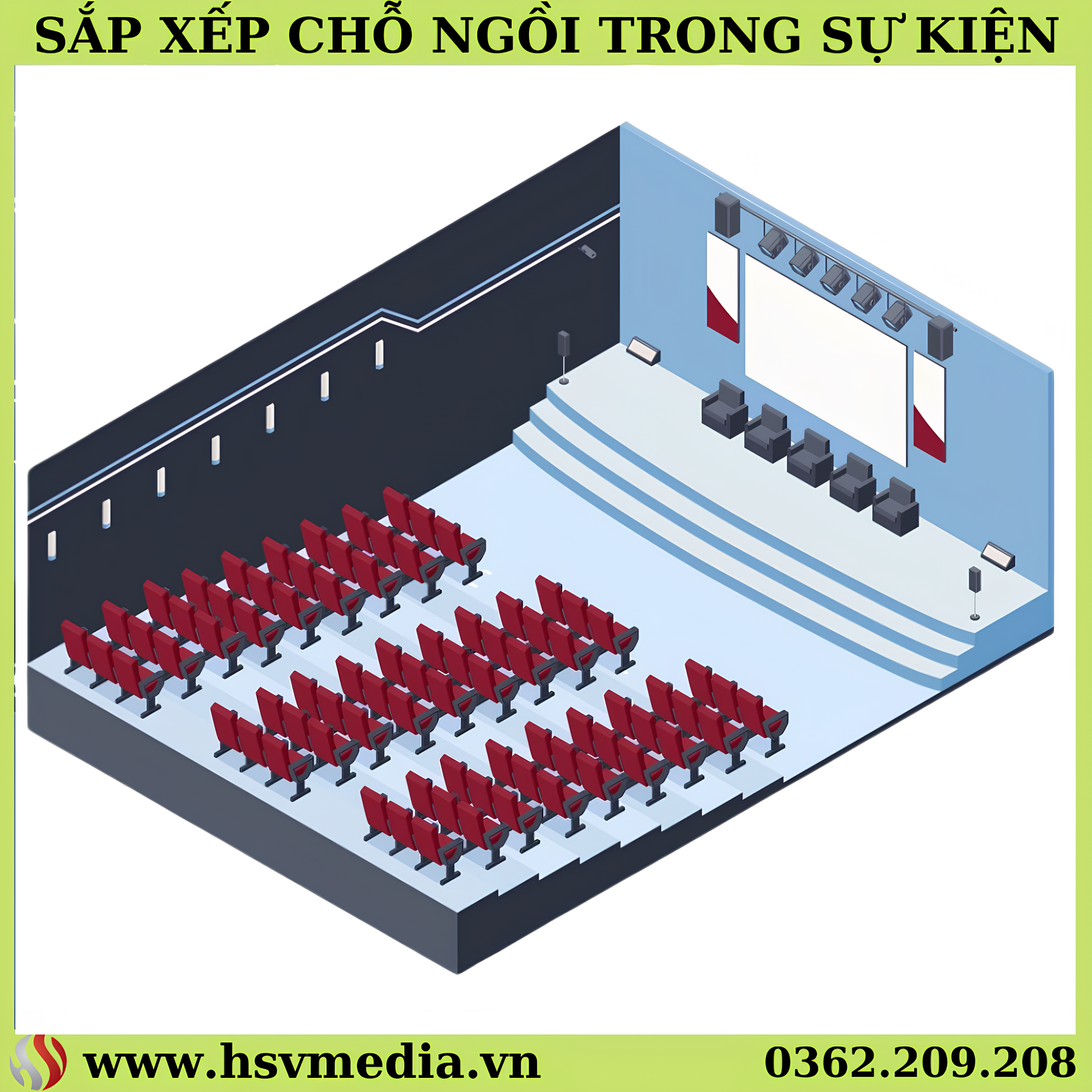
1. Theater Style
The chairs were arranged in horizontal rows, facing directly towards the stage.
Suitable for conferences, press conferences, or programs requiring a high level of focus on the presentation content.
Advantages: Maximizes space utilization, increases capacity.
Disadvantage: Restricts movement and interaction among participants.
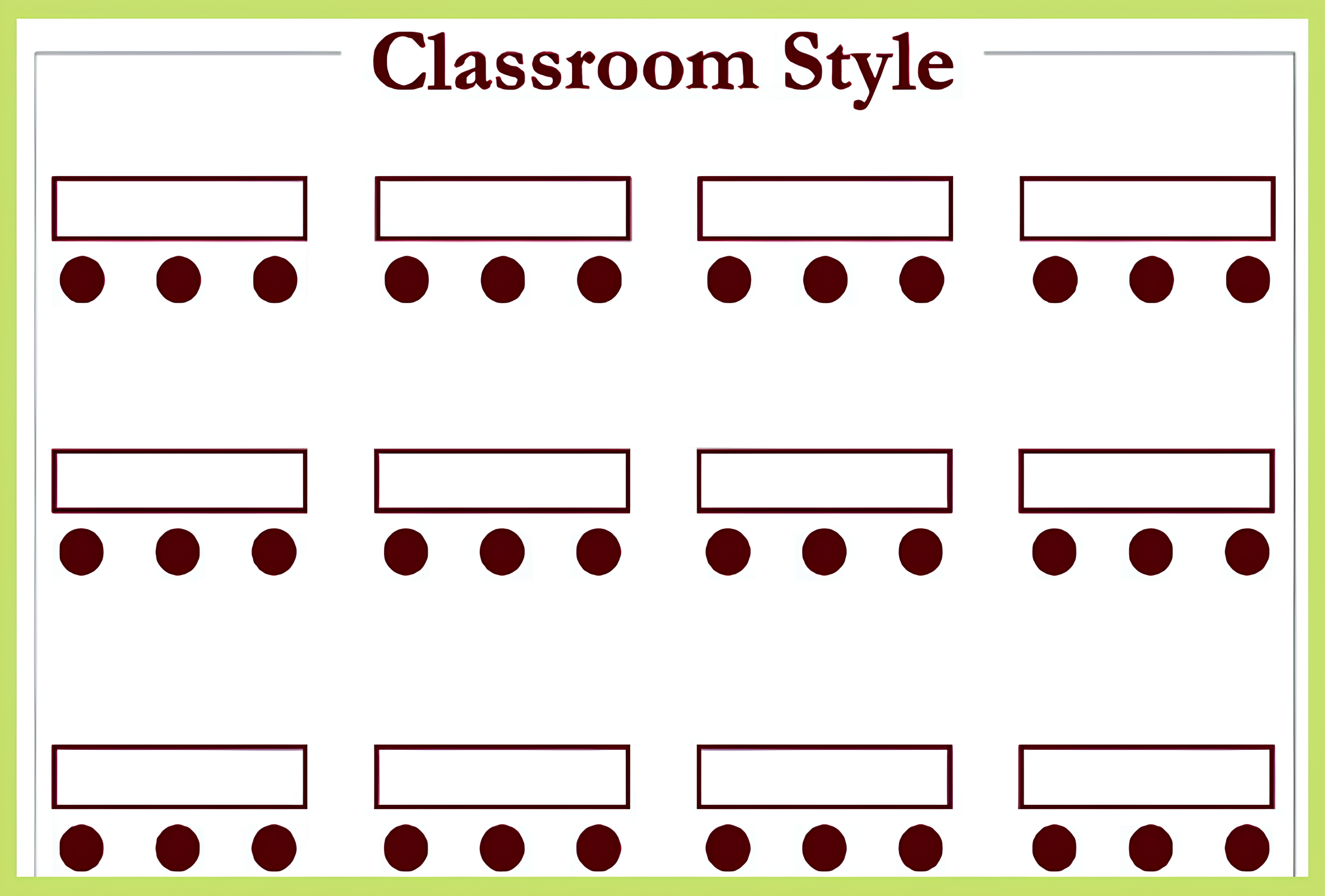
2. Classroom Style
Tables and chairs are arranged in rows, with a table placed in front of each chair.
Suitable for seminars, training courses, and workshops that require space for note-taking and individual work.
Advantages : Provides a private workspace for each participant.
Disadvantage: It takes up more space than a traditional theater.
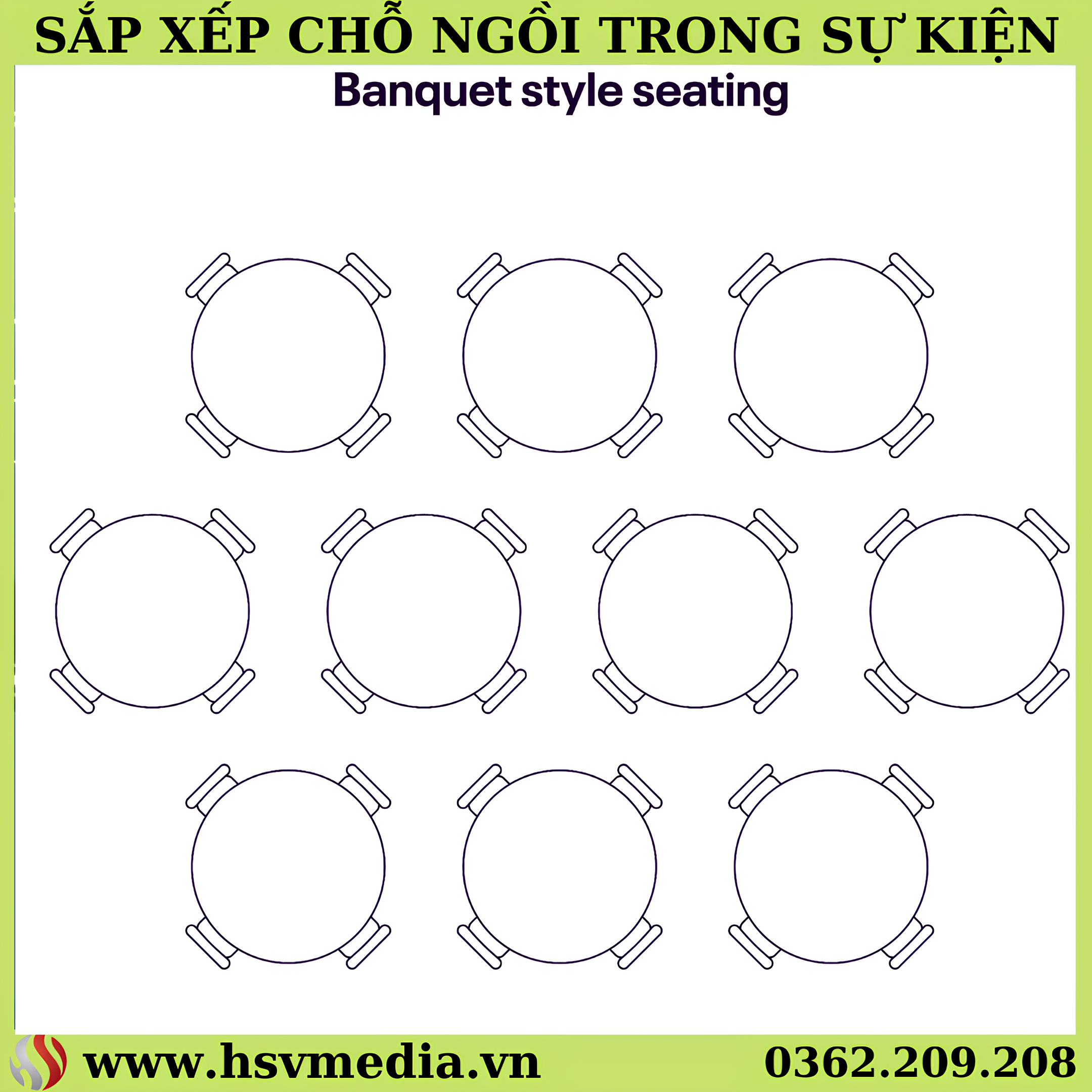
3. Round Table Style (Banquet Style)
Round tables were arranged in the auditorium, each typically seating between 6 and 10 people.
Ideal for gala dinners, corporate events, or networking gatherings aimed at enhancing communication and building relationships.
Advantages: Facilitates interaction and conversation among guests at each table.
Disadvantages: Takes up a lot of space and may restrict the view of the stage from some seating positions.
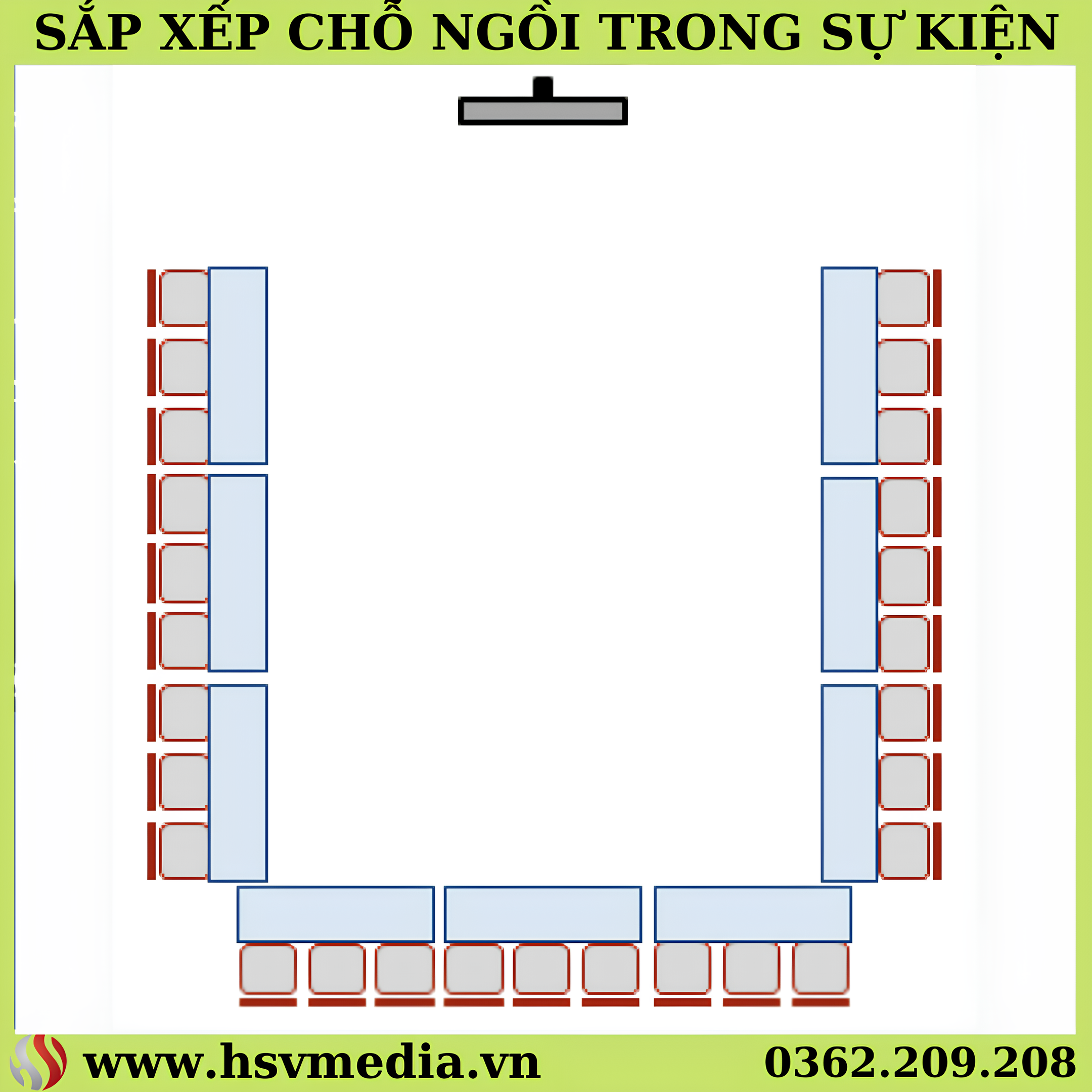
4. U-Shape Style
The seats are arranged in a U-shape, usually with or without a table.
Suitable for group meetings, in-depth workshops, or highly interactive discussions.
Advantages: Optimizes interaction between attendees and speakers, creating an open space for discussion.
Disadvantage: The number of participants is limited.
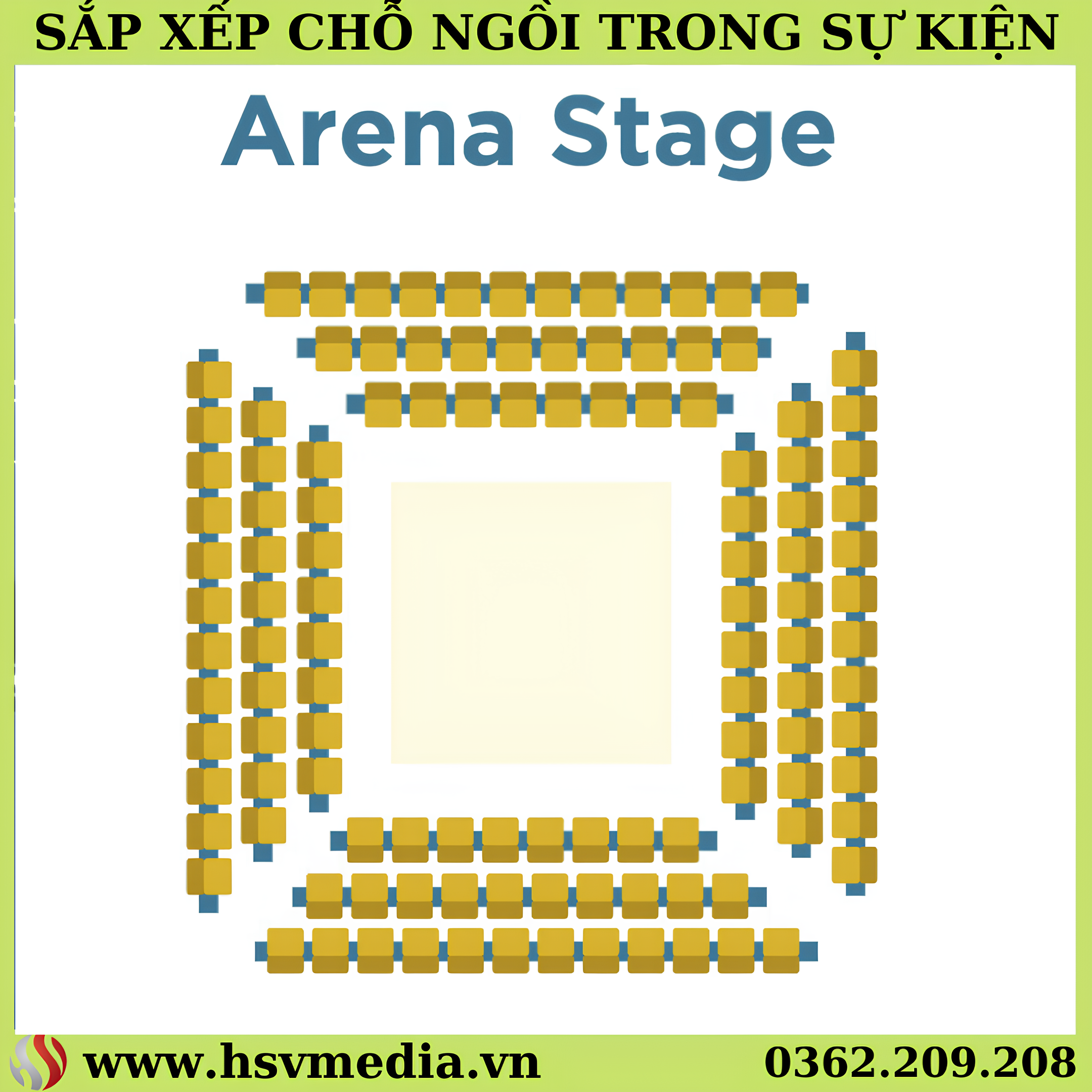
5. Arena Style
The seating is arranged in a circular or semicircular pattern surrounding the central stage area.
Often seen at music events, sporting events, or art performances to create a sense of intimacy between the audience and the performers.
Advantages: Creates a strong sense of connection between the audience and the artist.
Disadvantage: Requires careful design to ensure every location has a good view.
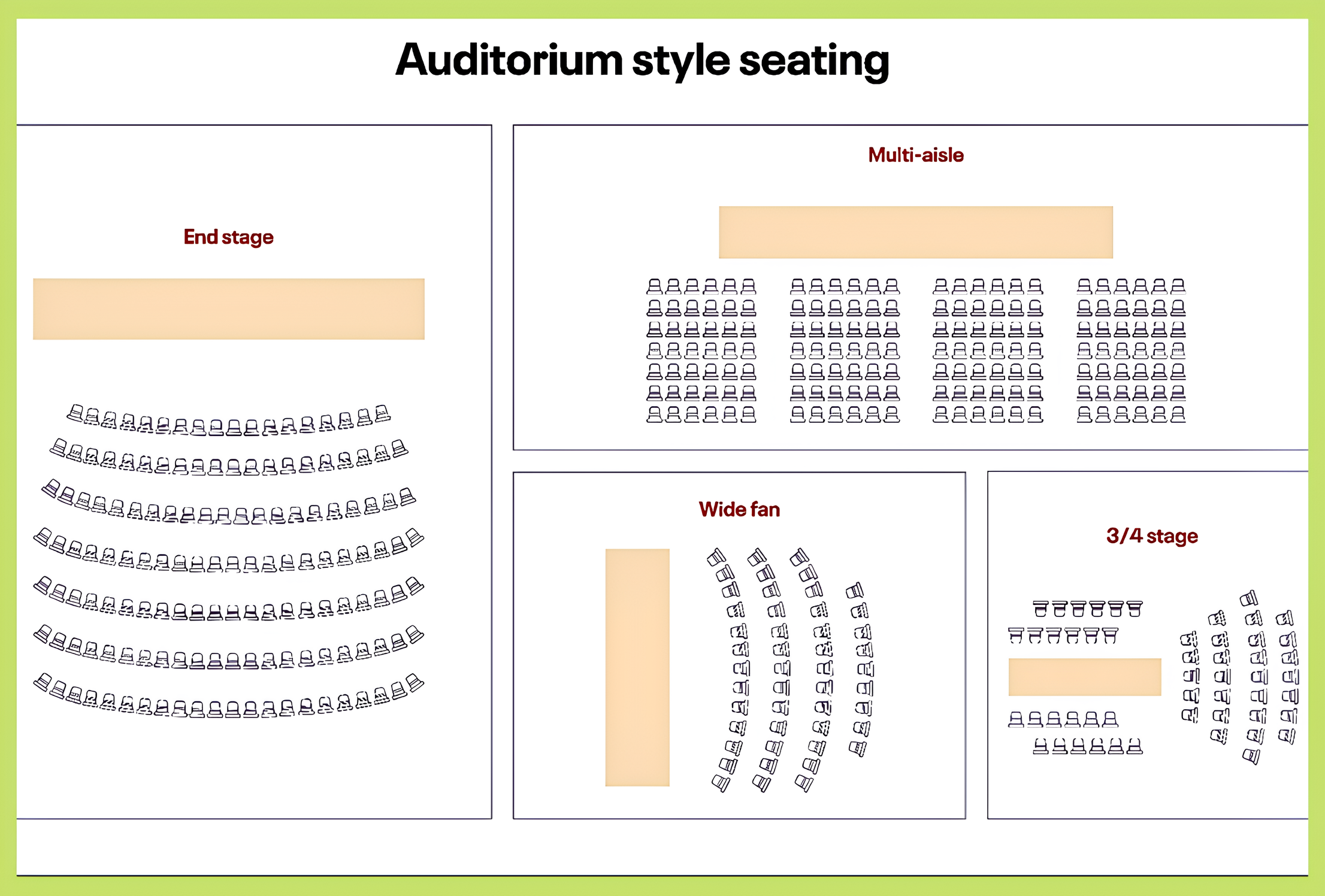
6. Auditorium Style
The seats are arranged in rows, with the slope increasing towards the back.
Suitable for large-scale stage events, large-scale seminars, or lectures that require ensuring good visibility for the entire audience.
Advantages : Significantly improves visibility, making it easier for everyone to see the stage.
Disadvantages: Often fixed design, making it difficult to change the layout flexibly. Sound quality may be inconsistent across different locations, and encouraging participation or organizing group discussions can be challenging.
IMPORTANT NOTES ON EVENT SEATING LAYOUT DESIGN
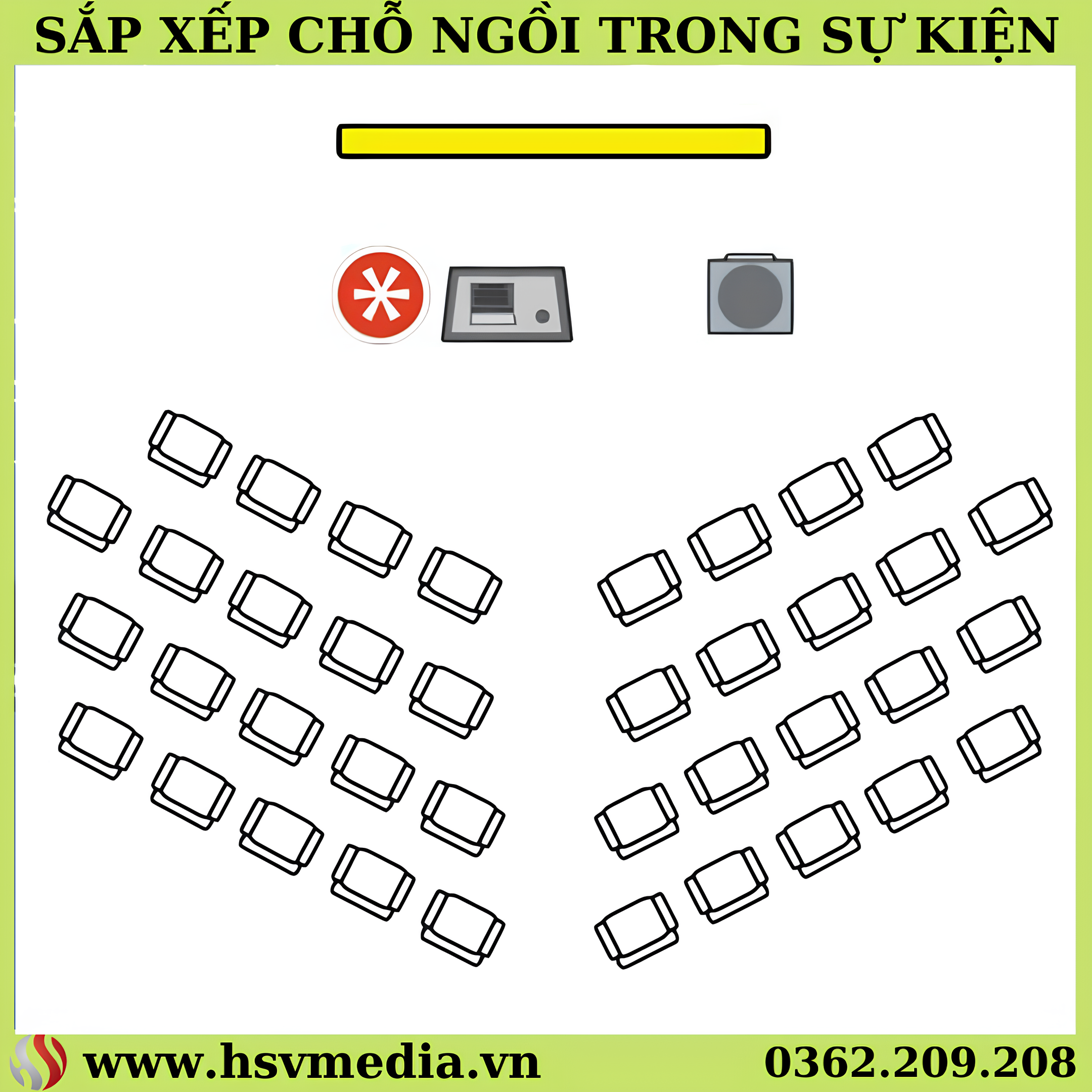
To ensure the best experience for attendees, the seating layout design should focus on the following factors:
1. Viewing Range and Angle
Prioritize visibility: Ensure that from every location, guests can clearly see the stage and the main activities of the event.
Avoid obstructions: Minimize areas that are obscured by pillars, screens, or other objects.
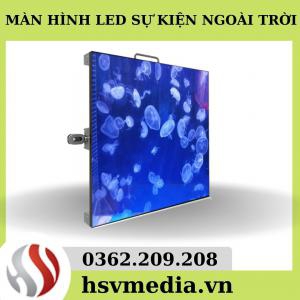
Long-distance viewing support: For large event spaces, installing additional LED screens will help audiences further away still be able to follow the details.
2. Emergency Exits and Walkways
Movement space: Arrange the rows of seats with reasonable spacing to create comfortable walkways for passengers to move to and from their seats.
Safety first: Ensure that emergency exits are clearly and easily accessible and that all fire safety regulations are strictly followed.
Supporting large-scale events: For large-scale events, a clear signage system and a team of guides are needed to coordinate people and ensure safety.
3. Distance Between Seats
Comfort standard: Maintain a minimum distance of 45 to 60cm between rows of seats to ensure passengers feel comfortable and not cramped.
Prioritize long-term comfort: For extended events, cushioned seating is recommended to enhance attendee comfort throughout the duration of the program.
4. VIP Zone and Common Area
Prime location for VIPs: If there is a VIP area, prioritize placing it in a central location as close to the stage as possible to provide the best experience for special guests.
Clear boundaries, no separation: Ensure a clear separation between the VIP area and the general audience area while maintaining the overall connectivity of the event space.
Elevating the VIP experience: The VIP area can be equipped with additional high-end amenities such as comfortable sofas and small cocktail tables to enhance luxury and comfort.
5. Sound and Lighting System
Consistent sound quality: Ensuring that all seating areas receive clear and consistent sound quality.
Proper speaker placement: Avoid placing speakers too close to certain areas, which can create excessively loud or unpleasant sound for those seated there.
Preparing for outdoor events: For outdoor events, contingency plans are needed to protect the sound and lighting systems from adverse weather conditions such as rain and wind.
SECRETS TO BUILDING A PROFESSIONAL EVENT LAYOUT
When designing the layout for an event, calculating appropriate distances is extremely important. Below are the necessary standards and considerations:
Backstage Area: This is the space reserved for the artists and backstage crew. The minimum distance from the back edge of the stage to the wall or any obstruction should be 3 meters to ensure comfortable movement and working space.
LED Display (Using Truss): To ensure the safety of the LED display system and the installation process, a minimum distance of 2 meters must be maintained between the back of the screen and the wall.
Standard Stage Depth: The ideal stage depth is typically 4 meters; however, this can be adjusted depending on the characteristics of the venue and the specific requirements of the event.
Distance from the First Row of Tables to the Stage: To ensure good visibility for audience members in the front row and create a comfortable space, the minimum distance from the edge of the stage to the first row of tables should be 2.5 meters.
Seating arrangements at events are not simply about arbitrarily placing chairs; they require careful planning based on multiple factors: space availability, audience visibility, comfort, and overall safety. A well-designed seating plan not only ensures aesthetics and efficiency but also contributes significantly to the smooth running of the event and enhances the experience for all attendees.
CONTACT HSV MEDIA TO RENT EVENT EQUIPMENT
Hotline: 0362.209.208
government:https://hsvmedia.vn/
Address: 184/20 Le Dinh Can Street, Tan Tao Ward, Binh Tan District, Ho Chi Minh City
Price List for Event Equipment Rental Services
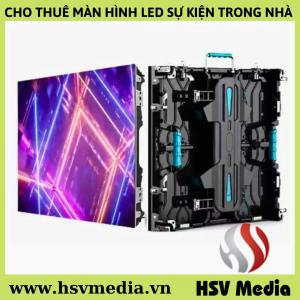
.jpg "LED Screen")
.jpg "Event Stage")
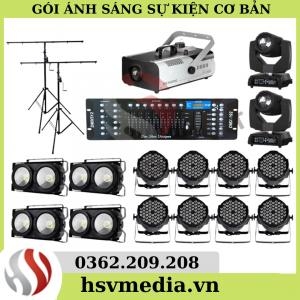
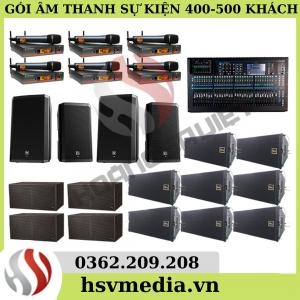
.jpg "Sound and Light")
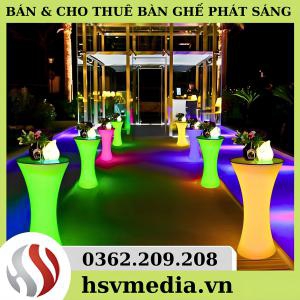
.jpg "Event Equipment")